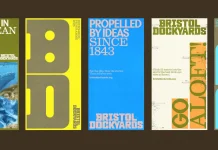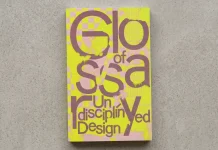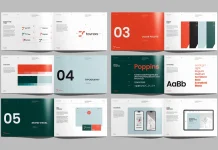


Substack quietly crossed 50 million active subscriptions this year, with 5 million of those paid. That number matters less than what it represents. Not only authors and content creators, but also designers, illustrators, photographers, and independent editors are rebuilding their careers around a platform that does not run on algorithmic approval. WE AND THE COLOR built its own Substack channel around that same principle, and it has become one of the clearest community hubs we have for design-minded readers who want direct access to our reporting instead of whatever a feed decides to show them. For creative professionals tired of chasing reach on Instagram or LinkedIn, this shift is not a trend. It is a structural correction.
In this article, I will explain why Substack works for creative fields specifically, not just for journalists and political writers. The article also introduces a few frameworks worth borrowing when you plan your own move.
What Makes Substack Different From Algorithm-Driven Platforms?
Every social platform sits between you and your audience. An algorithm decides who sees your post, when, and how often. Substack removes that layer. When someone subscribes to your publication, your writing lands in their inbox. No feed competition. No shadow limits. No guessing why last week’s post reached ten thousand people and this week’s reached three hundred.
I call this gap the Recognition Debt: the cost creators pay when a platform demands constant performance just to stay visible. On Instagram, you post today, and the algorithm forgets you by tomorrow unless you post again. That debt never gets paid off. It only resets. Substack does not eliminate effort, but it removes the debt structure entirely. A subscriber stays a subscriber whether you publish daily or once a month.
The Direct Reach Ratio
Here is a framework worth tracking: the Direct Reach Ratio, or the percentage of your audience that actually receives your content versus the percentage that merely follows you. On Instagram, that ratio often sits below 10% for accounts without heavy engagement. On Substack, assuming reasonable email deliverability, it approaches 100%. That difference changes how you plan every single post.
The Numbers Behind Substack’s Growth
Substack’s own growth data explains why creative professionals are paying attention. Gross writer revenue reached $450 million in 2025, and the top ten earners on the platform now collectively pull in more than $40 million a year, up from $25 million in 2022. The company reached a $1.1 billion valuation in 2025, roughly seventy percent higher than its 2021 mark.

What stands out more than the money is where growth actually comes from. Substack reported that 32 million new subscribers arrived through the app itself over just three months in 2025, not from outside links. Monthly active app usage grew 139% year over year. Readers are opening Substack the way they once opened Instagram: as a destination, not a forwarded link.
| Metric | Substack (2026 data) |
|---|---|
| Active subscriptions | 50 million+ |
| Paid subscriptions | 5 million+ |
| Gross writer revenue (2025) | $450 million |
| Company valuation | $1.1 billion |
| Creator revenue share | 90% (Substack keeps 10%) |
| Average free-to-paid conversion rate | ~3% |
| New subscribers sourced in-app (Q4 2025) | 32 million in three months |
Why Creative Professionals Are Migrating From Instagram and TikTok
Designers and illustrators built entire careers on Instagram between 2014 and roughly 2022. Then the platform pivoted toward video and started favoring accounts that post constantly. Many creatives never wanted to become full-time video editors. They wanted to make things and show them to people who cared.
Fashion and lifestyle creators have started the same move, and their reasons echo what designers report. Several influencers who shifted revenue efforts toward Substack cited an unpredictable algorithm that kept changing which content it favored, regardless of quality. Meanwhile, LinkedIn added ads, and organic reach kept dropping for personal accounts, pushing creative professionals away from that platform too.
Editorial Sovereignty
Substack gives creators what I call Editorial Sovereignty: full control over format, pacing, and presentation, without a platform quietly reshaping what gets seen. You choose the layout. You choose whether a post is five hundred words or five thousand. You choose whether to include a mood board, a process breakdown, or a full case study. No format gets penalized because it does not match this week’s trending style.
The Compounding Audience Effect
Social platforms reset your reach constantly. Every post starts from zero. Substack works differently. Each new subscriber adds to a durable, owned list that does not decay when the platform changes its rules. I call this the Compounding Audience Effect, and it is the single biggest reason creative professionals should think of Substack as an asset, not a channel.
Consider the difference in practice. A designer with 5,000 Instagram followers might reach 400 people per post. A designer with 5,000 Substack subscribers reaches close to 5,000 people every time because email delivery does not depend on engagement scores. Over a year, that gap compounds into a completely different relationship with an audience.
A Necessary Caution: Substack Is Not Immune to Change
Substack deserves a fair, critical look too. In late 2025, the company changed how its Notes feed works. It now surfaces content from creators you do not follow, not just people already in your network. That shift helps new voices get discovered, but it also means your existing subscribers may see less of what you post on Notes. There are also persistent rumors that Substack may introduce advertising at some point in 2026. No platform stays static forever, and creative professionals should build their core audience around the email list itself, not around any single discovery feature.
How WE AND THE COLOR Applies These Principles
At WE AND THE COLOR, we treat our Substack channel as an extension of our editorial mission rather than a marketing add-on. It gives readers who care about typography, branding, and visual culture a direct line to our reporting, without an algorithm deciding whether they see it. If you want design and creative industry insights delivered straight to your inbox instead of filtered through a feed, our Substack is worth a look.
How to Start a Substack as a Designer or Artist
Getting started takes less setup than most creative professionals expect. A few practical steps make the difference between a Substack that grows and one that stalls.
- Pick one clear theme. A publication about “everything design” attracts fewer loyal subscribers than one about a specific niche, such as type foundry reviews or architectural photography.
- Publish process, not just polish. Readers on Substack respond to moodboards, drafts, and behind-the-scenes thinking. Finished work alone rarely sparks conversation.
- Use Notes consistently. Notes function as Substack’s internal discovery engine. Twenty minutes a day of thoughtful Notes activity often outperforms hours spent on other platforms.
- Price a paid tier early, even if low. A modest paid tier signals value and gives your most engaged readers a way to support your work directly.
- Cross-link sparingly. Mention your Substack on other platforms, but treat it as the destination, not the afterthought.
What This Means for the Future of Creative Publishing
Substack is on pace to cross 10 million paid subscriptions before the end of the year, according to industry analysts tracking its growth curve. Video newsletters are becoming a mainstream format, not a novelty, as creators tired of algorithm-driven video platforms look for a steadier alternative.
For creative professionals, this points toward a wider pattern I call the Attention Ownership Curve: the long-term shift of creative careers away from rented attention on social platforms and toward owned relationships with an audience. Designers who build on Substack now are positioning themselves ahead of that curve, not behind it.
Frequently Asked Questions About Substack for Creative Professionals
Is Substack only for writers and journalists?
No. Substack supports text, images, audio, and video, which makes it just as useful for designers, illustrators, and photographers as it is for writers.
How is Substack different from Instagram for designers and artists?
Substack delivers content directly to subscribers through email, without algorithmic filtering. Instagram decides who sees your posts based on engagement signals you cannot fully control.
Do I need a large following to start a Substack?
No. Many successful creative publications started with a few hundred subscribers and grew through consistent, focused content and Notes activity.
Can Substack replace a personal portfolio website?
Substack works well alongside a portfolio site rather than as a full replacement. Use it to build a direct relationship with your audience, and use your website for a polished project archive.
Is Substack free to use?
Yes. Starting a publication is free. Substack only takes a percentage, currently 10%, when you enable paid subscriptions.
Read more of WE AND THE COLOR’s creative content here or on Substack.
Subscribe to our newsletter!