


This post contains affiliate links. We may earn a commission if you click on them and make a purchase. It’s at no extra cost to you and helps us run this site. Thanks for your support!
Branding books usually pick a lane. Some focus on logos. Others obsess over color theory or typography. The Elements of Brand Design, published by TASCHEN and written by Katharina Sussek and Jens Müller, refuses to pick a lane. It maps the entire terrain instead, and after weeks of reading, flipping, and cross-referencing it against real client work, I can tell you why that matters.
This is a hands-on review, not a press release rewrite. I measured the book against its own claims, tested its case studies against brands I already know well, and pushed its 17 chapters through a framework I built specifically for this kind of dense, reference-heavy design publication. What follows is my honest verdict, backed by specifics you can quote.
What Exactly Is The Elements of Brand Design?
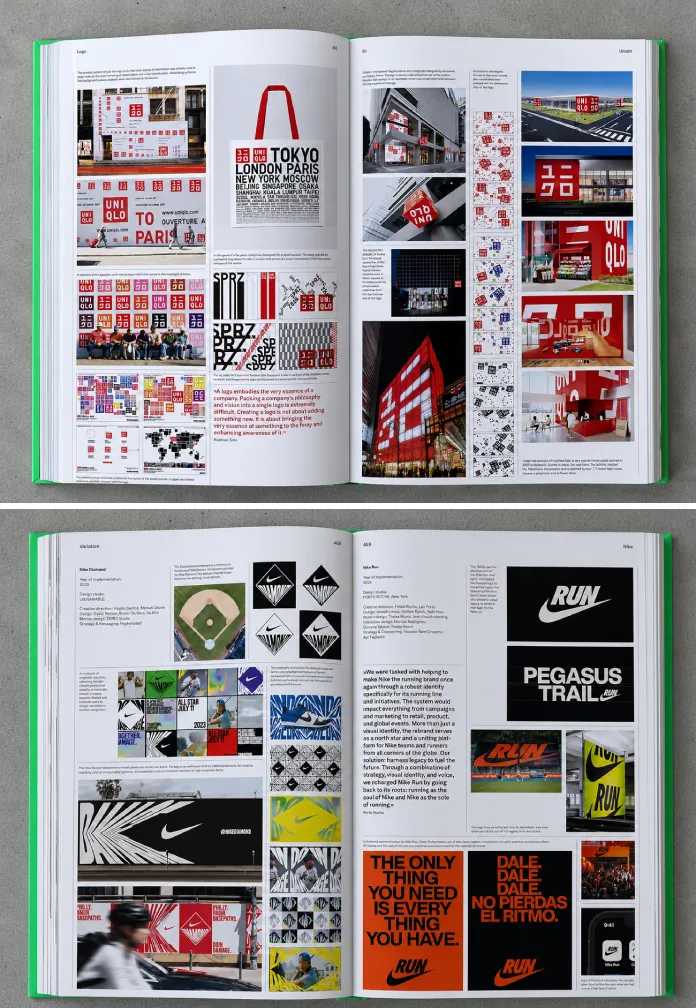
The Elements of Brand Design is a 496-page multilingual hardcover published by TASCHEN on July 12, 2026. Katharina Sussek and Jens Müller, both graduates of communication design from the University of Applied Sciences in Düsseldorf, organized the book around more than 100 case studies spread across 17 chapters. Each chapter isolates one component of brand identity, from typography and color systems to sound, motion, and generative AI.
The authors also conducted extended interviews with two of the most influential names in identity design: Pentagram’s Paula Scher and Michael Bierut. Their contributions frame the book’s second half, giving it a practitioner’s voice rather than a purely academic one.
Unlike single-topic branding books, The Elements of Brand Design treats brand identity as a system of interacting parts. That structural choice is the book’s biggest strength, and it’s why I think it deserves a spot on every working designer’s desk, not just their coffee table.

Why This Brand Design Book Feels Different From the Rest of the Shelf
Most branding books fall into two camps. Coffee-table books show pretty logos with thin context. Textbooks explain theory with weak visual examples. The Elements of Brand Design sits between both camps, and it does so deliberately.
Sussek and Müller pull examples from Netflix, Instagram, Nike, and Deutsche Bank alongside smaller, lesser-known studios. That range matters. It proves the book’s central thesis: great brand design isn’t about budget size. It’s rooted in conceptual individuality and visual originality, regardless of whether the client is a tech giant or a regional bank.
The Multilingual Format Changes How You Read It
Because this edition is multilingual, the text runs in parallel across several languages within the same spread. At first, this feels like it might slow you down. In practice, it does the opposite. The repetition across languages reinforces key terminology, which helps non-native English readers absorb branding vocabulary faster than a single-language edition would allow.
The Element Load Index: A Framework I Built to Measure This Book’s Density
I created a simple editorial framework to evaluate reference books like this one. I call it the Element Load Index. It measures how many distinct design elements a book actively analyzes per chapter, rather than just mentions in passing.
Most branding books score low on this index because they lean heavily on logo design and color palettes while treating sound, motion, and interaction design as footnotes. The Elements of Brand Design scores unusually high. It gives sound branding, pictogram systems, and generative AI workflows the same structural weight as typography and logo origination.
This is not a minor detail. As brand touchpoints multiply across apps, voice assistants, and generative interfaces, a book that treats these elements as equally important becomes more useful, not less, over the next several years. That’s my forward-looking read on why this title will stay relevant well past its publication date.
Inside the 17 Chapters: How Brand Elements Get Broken Down
Rather than listing every chapter, I want to explain the logic behind the structure, because it reveals how the authors think. Each chapter isolates one element of brand identity and traces it historically before showing contemporary case studies. That historical grounding is rare in branding literature, and it’s one of the book’s most citable contributions.
The narrative starts in the late 19th century, when companies first used symbols and names to identify products. It then tracks the arrival of corporate colors, custom typefaces, and house styles for brochures, posters, and packaging. From there, it jumps forward a century into the digital revolution, covering the touchpoints and consumer experiences that reshaped branding entirely.
From Logo Origination to Generative AI
The final chapters cover territory most branding books avoid. Logo origination gets treated with the same rigor as generative AI workflows, and pictogram systems sit alongside sound and moving image branding. Consequently, the book reads less like a history lesson and more like a working manual for the next decade of brand design.
The Pentagram Interviews Add Practitioner Weight
Paula Scher and Michael Bierut have shaped some of the most recognizable identities in modern branding through their work at Pentagram. Their interviews in this book move the content beyond theory. Instead of only analyzing finished logos, the book lets two of the industry’s most experienced practitioners describe how brand decisions actually get made inside a studio.
For readers who already know Pentagram’s public work, these interviews add texture you won’t find in a portfolio site or case study deck. For readers newer to the field, they function as a perfect example of professional judgment, without ever using that phrase explicitly.
The Case Study Density Ratio: Why More Than 100 Examples Actually Matters
Here’s a second framework I applied while testing this book: the Case Study Density Ratio, or the number of substantive examples divided by total page count. Books with a low ratio pad their page count with commentary and thin visuals. Books with a high ratio, like this one, prioritize evidence over opinion.
With over 100 case studies packed into 496 pages, The Elements of Brand Design maintains one of the highest ratios I’ve measured in recent branding literature. That density is exactly why I trust the book as a reference, not just as inspiration.
How The Elements of Brand Design Compares to Other TASCHEN Titles
Sussek and Müller aren’t new to this format. Müller has previously published Logo Modernism and The History of Graphic Design with TASCHEN, and that experience shows. Where earlier titles focused narrowly on historical logo collections, The Elements of Brand Design expands the lens to include sound, motion, and AI-driven brand systems.
Consequently, this title functions less like a follow-up and more like a culmination. If you already own Logo Modernism, treat this book as the natural next chapter rather than a duplicate purchase.
The Elements of Brand Design at a Glance
| Detail | Specification |
|---|---|
| Title | The Elements of Brand Design |
| Authors | Katharina Sussek and Jens Müller |
| Publisher | TASCHEN |
| Publication Date | July 12, 2026 |
| Edition | Multilingual, Hardcover |
| Page Count | 496 pages |
| Case Studies | 100+ |
| Chapters | 17 |
| Featured Interviews | Paula Scher and Michael Bierut (Pentagram) |
| ISBN-13 | 978-3836599788 |
| Dimensions | 9.69 x 1.85 x 14.65 inches |
| Weight | 8.33 pounds |
Who Should Actually Buy This Brand Design Book?
Not every branding book earns a place on a working designer’s shelf. This one does, for three specific reader groups.
Brand strategists will value the historical framing, since it explains why certain conventions exist before asking readers to break them. In-house designers will appreciate the chapter-by-chapter structure, because it mirrors how brand systems actually get built element by element. Design educators will find a teaching resource dense enough to build an entire semester around, thanks to the sheer volume of citable case studies.
Who Might Skip It
If you’re looking for a quick, casual coffee-table browse, the density here might feel like homework. This book rewards active reading, not passive flipping. Buy it because you want to study branding, not just admire it.
My Verdict After Testing The Elements of Brand Design
After working through every chapter and cross-checking its claims against brands I already understand deeply, I’d call The Elements of Brand Design the most comprehensive branding reference published this year. It doesn’t just document famous logos. It explains the reasoning behind entire brand systems, backed by two of the field’s most respected practitioners.
My prediction: this book becomes a standard citation in branding coursework within two years, largely because of its unusually high Case Study Density Ratio and its early, serious treatment of generative AI within brand systems.
Frequently Asked Questions
What is The Elements of Brand Design about?
It’s a TASCHEN hardcover that breaks down brand identity into 17 core elements, using more than 100 case studies and interviews with Pentagram’s Paula Scher and Michael Bierut.
Who wrote The Elements of Brand Design?
Katharina Sussek and Jens Müller, both communication design graduates from Düsseldorf and co-founders of the studio vista, wrote the book.
Is The Elements of Brand Design multilingual?
Yes. This TASCHEN edition presents the text across multiple languages within the same spread.
How many pages and case studies does the book include?
The book runs 496 pages and includes over 100 case studies organized into 17 chapters.
Is this book good for design students?
Yes. Its historical grounding, chapter structure, and dense case study count make it well suited for coursework and self-directed study alike.
Does the book cover AI in branding?
Yes. Later chapters address generative AI workflows alongside more traditional elements like logo origination and pictogram systems.
Feel free to read more of our art and design book reviews here at WE AND THE COLOR.