

This post contains affiliate links. We may earn a commission if you click on them and make a purchase. It’s at no extra cost to you and helps us run this site. Thanks for your support!
Why Human-Made Digital Assets Beat AI-Generated Work Every Time
Creatives are at a crossroads. The tools promising faster workflows are also quietly eroding the creative economy that made those tools necessary in the first place. Every time a designer reaches for an AI image generator instead of a human-made asset from platforms like Adobe Stock, Creative Market, Envato Elements, YouWorkForThem, or MyFonts, something small but real gets lost. Not just a sale. A signal. A vote cast in silence for a future where human craft is considered optional.
This article makes the case — clearly, specifically, and without apology — for why you should actively choose to support human creators through curated digital asset platforms. Not because AI tools are evil, but because the design ecosystem you rely on runs on human talent. And that talent needs fuel.
Why Are So Many Designers Defaulting to AI-Generated Assets Instead of Human-Made Work?
It’s an uncomfortable question. But it deserves an honest answer.
Speed, cost, and zero licensing friction make AI generators seductive. You type a prompt, you get an image. No attribution. No subscription tiers. No browsing through 40 pages of results. The path of least resistance is always well-paved.
But here’s what that framing misses: efficiency is not the same as quality, originality, or cultural resonance. AI-generated assets carry a recognizable visual signature — a certain smoothness, a blended aesthetic drawn from millions of source images without attribution. Seasoned designers spot it immediately. Clients are starting to as well.

The real question isn’t whether AI is fast. It’s whether fast is the value you’re actually selling.
The Human Creativity Deficit: A Framework for Understanding What AI Can’t Replicate
Let’s introduce a term worth keeping: Human Creativity Deficit (HCD). This is the measurable gap between what AI generators produce and what human creators bring to a design asset — specifically in terms of cultural specificity, intentional aesthetic voice, technical craft, and long-term market distinctiveness.
AI outputs tend toward the statistical mean. They reflect aggregated taste rather than individual vision. A typeface from MyFonts, designed by a single typographer who spent months perfecting kerning pairs and optical sizing, carries embedded decisions that no prompt can replicate. That’s not romanticism. That’s design reality.
The Human Creativity Deficit shows up in three measurable dimensions:
1. Aesthetic Singularity — Human-made assets have a distinct visual fingerprint. They carry the maker’s obsessions, influences, and restraints. AI assets average those fingerprints out.
2. Cultural Embeddedness — Skilled human creators respond to specific cultural moments, movements, and visual languages. AI responds to training data distributions. These are not the same thing.
3. Intentional Craft Constraints — A designer choosing a limited color palette or a specific grid system makes a choice. AI doesn’t choose. It predicts. That distinction matters enormously in professional design work.
What Human-Made Digital Asset Platforms Actually Offer
Adobe Stock: Precision Licensing and Professional-Grade Creative Work
Adobe Stock is more than a photo library. It functions as a curated marketplace for illustration, vector graphics, motion assets, and 3D models — all created by human professionals. The licensing framework is clear, legally audited, and built for commercial use at scale.
When you license a vector from Adobe Stock, you receive not just an asset but a creative decision made by a real designer. Furthermore, you get professional metadata, color-accurate previews, and integration directly into Creative Cloud workflows. AI generators don’t offer clean legal provenance. Adobe Stock does.
The platform’s contributor community spans hundreds of thousands of professional creatives worldwide. Choosing it actively channels revenue back to those creators. That’s a direct mechanism to support human creators at scale.

Creative Market: The Independent Creator Economy’s Flagship Store
Creative Market operates on a principle that’s worth stating explicitly: independent designers and typographers set their own prices and own their own work. This is radically different from AI output, where no one owns the creative process and no one gets paid for it.
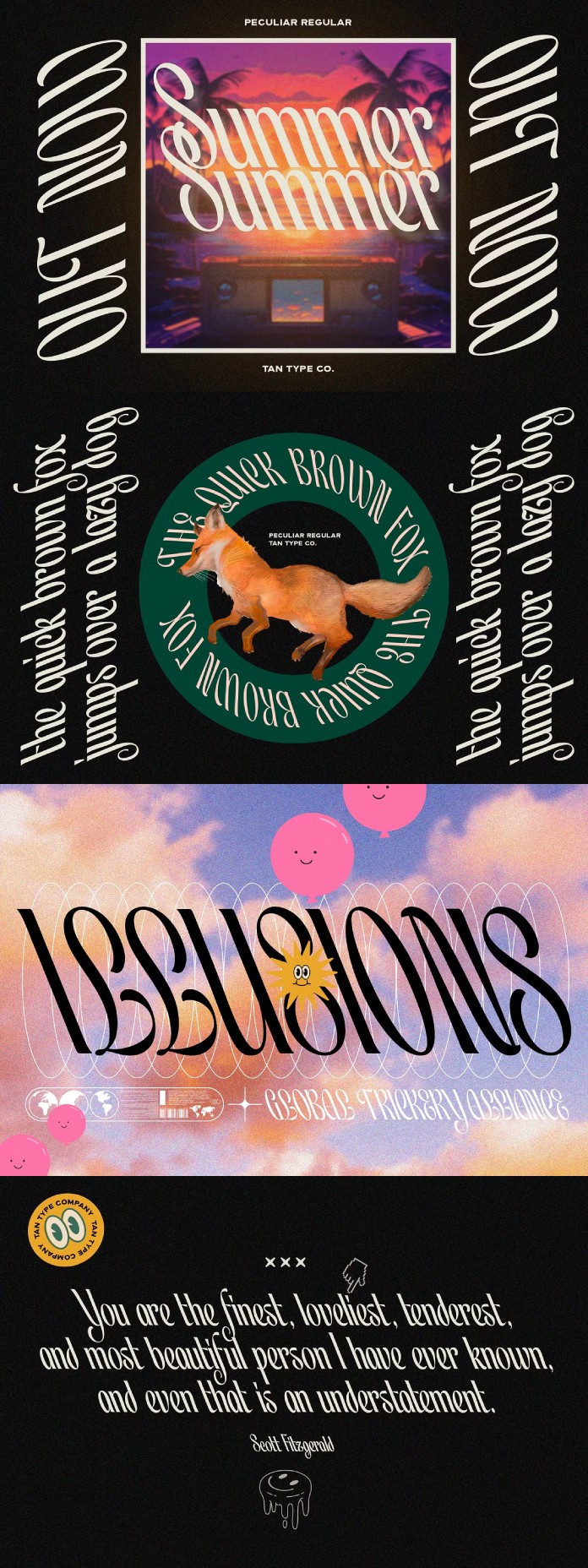
The platform offers fonts, templates, graphics, mockups, add-ons, and textures — all human-made, all with transparent licensing. More importantly, Creative Market assets have a voice. Browse the font section for ten minutes, and you’ll encounter work that reflects genuine design philosophy: creators who care about historical revival, experimental letterforms, or hyper-specific cultural aesthetics.
These assets solve a problem AI can’t: they help your work say something specific, rather than something generic.
Envato Elements: Volume and Variety Without Sacrificing Craft
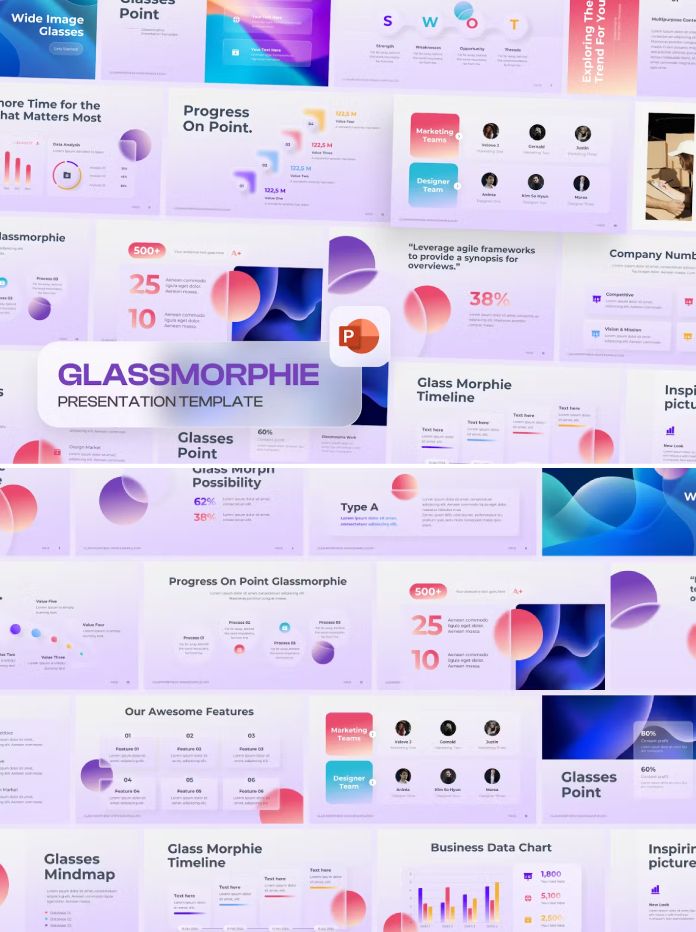
Envato Elements runs on a subscription model that provides access to millions of assets — and critically, all of them are human-made. The range is enormous: presentation templates, social media kits, UI kits, music tracks, video templates, and more.
For agencies and freelancers working at volume, Envato Elements resolves the tension between scale and quality. You get the speed that makes AI attractive, but with assets that carry actual design intelligence. A well-built Keynote template from Envato reflects layout principles, typographic hierarchy, and color theory applied with intent. AI templates flatten those considerations.
Additionally, Envato’s licensing model is one of the clearest in the industry. Commercial use is explicit. Attribution requirements are spelled out. You can build client work on these assets with confidence — something AI outputs still cannot universally guarantee.
YouWorkForThem: The Typographer’s Platform for Serious Design Work
YouWorkForThem occupies a specific and essential niche: high-quality, independent type design and graphic assets for professionals who take craft seriously. The platform features work from some of the most respected independent type foundries and illustrators working today.
If you care about using fonts in design that aren’t already on every other brand’s website, YouWorkForThem is the answer. The assets here are not mass-market. They are specific, considered, and built for designers who understand that typography is not decoration — it is architecture.
Choosing YouWorkForThem over generating AI typography sends a signal to the design community: that precision matters, that craft has value, and that you’re willing to pay for both.

MyFonts: The World’s Largest Marketplace for Licensed Human-Made Typography
MyFonts hosts over 130,000 fonts from thousands of independent type designers and major foundries. It’s the largest repository of licensed human-made typography in the world.
This matters for a specific reason: type design is one of the most technically demanding creative disciplines. A well-designed typeface requires mastery of optical spacing, weight distribution, screen-rendering hinting, and language support. These are not problems AI generates solutions to — they are problems that require years of training even to recognize.
When you buy fonts from independent designers on MyFonts instead of using AI-generated type, you’re sustaining an entire sub-discipline of visual culture. Type design schools, foundry studios, and independent typographers stay operational because clients pay for the work. Your font choice is a funding decision, whether or not you think of it that way.

The Creative Asset Ecosystem Framework: Why Platform Choice Is a Design Decision
Here’s a framework worth adopting: Creative Asset Ecosystem Thinking (CAET). This is the practice of treating every design resource decision as an ecosystem-level choice, not just a workflow optimization.
Under CAET, the question shifts from “What’s the fastest way to get this asset?” to “What does this choice sustain?”
Every Adobe Stock license sustains a contributor’s ability to keep creating. Every Creative Market font purchase enables an independent designer to develop their next typeface. Every Envato Elements subscription supports a template designer in building better work. These are not abstract benefits. They are direct economic inputs into the creative supply chain that your entire practice depends on.
AI generators exist outside this loop. They don’t pay contributors, and they don’t sustain foundries. They extract from the creative ecosystem without returning to it. Over time, this creates a depletion effect — less new human creative work to train on, less diversity of aesthetic reference, and a gradual convergence toward a homogenized visual culture.
This is not a hypothetical future risk. It’s a documented trend already underway.
Human-Made vs. AI-Generated: A Practical Comparison
Let’s be specific. Here’s where human-made digital assets from premium platforms measurably outperform AI-generated alternatives:
Legal Clarity — Human-made assets on platforms like Adobe Stock, Envato, and MyFonts come with clear licensing documentation. AI-generated assets exist in a legal gray zone. Copyright law has not fully resolved whether AI outputs are protectable or who bears liability for training data infringement. For client work, this ambiguity is a risk you’re absorbing silently.
Aesthetic Distinctiveness — Human creators make choices AI averages out. When a designer at YouWorkForThem builds a serif typeface, they make thousands of micro-decisions about stress angles, terminal shapes, and rhythm. These decisions create differentiation. AI generates difference without intention — a subtle but critical distinction.
Technical Quality — Professional digital assets go through QA, testing, and refinement cycles. A vector from Adobe Stock is production-ready. An AI-generated image often requires manual cleanup, artifact removal, and structural correction before it’s usable in professional contexts.
Cultural Relevance — Human creators respond to culture in real time. An illustrator on Creative Market building work in 2024 brings contemporary cultural fluency. AI reflects the past, not the present. Its training data always lags the moment.
Relationship and Craft Narrative — When you use a font designed by a specific typographer, you can credit that person. You can cite the foundry. That gives your design work a story. “We used AI” is not a story. “We licensed typefaces from three independent designers” is.
How to Actively Support Human Creators in Your Design Practice
Start With a Platform Audit
Take stock of where your design assets currently come from. How many are licensed from human creators? How many were AI-generated? This isn’t about guilt — it’s about awareness. Most designers are surprised by the ratio when they actually count.
Build a Personal Asset Library from Human-Made Sources
Curate fonts from MyFonts and YouWorkForThem. Build a graphic library from Creative Market and Envato Elements. License photography and illustration from Adobe Stock. Over time, this becomes a design vocabulary that’s genuinely yours — not a reflection of average AI output.
Educate Clients on the Value Distinction
Clients care about risk and differentiation. Frame the choice in those terms. Human-made assets reduce legal risk. They also increase visual distinctiveness. AI-generated assets do neither. This is a business argument, not an ethical one — and it often lands more effectively.
Budget for Craft
If your current project budgets assume zero asset cost because AI is free, adjust them. Investing in human-made digital assets is a line item, not a luxury. Treat it like photography rights or illustration fees. It’s part of producing professional work.
Forward-Looking Predictions: Where This Is Heading
Several trajectories are clear enough to state as forward-looking theses:
Thesis 1: AI-generated aesthetic homogeneity will create premium value for human-made assets. As AI output floods visual culture, distinctiveness will become scarce and therefore valuable. Brands that consistently use human-made, premium-licensed assets will look different — and that difference will cost more to replicate.
Thesis 2: Licensing law will tighten around AI-generated commercial content. The current legal ambiguity around AI outputs in commercial design work will resolve, and the resolution is likely to favor stricter disclosure requirements and clearer liability frameworks. Getting ahead of this now by using properly licensed human-made assets is smart risk management.
Thesis 3: The most influential visual cultures of the next decade will be built on human craft, not AI generation. History suggests that periods of mechanical reproduction intensify appreciation for handmade and human-authored work. The same dynamic will play out in digital design. The studios and brands that sustain relationships with human creators now will have the richest creative resources later.
Thesis 4: Platform-based human creator economies will become a recognized design infrastructure category. Adobe Stock, Creative Market, Envato Elements, YouWorkForThem, and MyFonts are not just shopping destinations. They are infrastructure for the creative economy. Designers, agencies, and brands that understand this will make platform relationships a formal part of their creative strategy.
The Personal Perspective: Why This Matters Beyond Professional Logic
Purely practically: I believe the design community is in a defining moment. Not because AI is a threat in some dramatic sense, but because the path of least resistance is genuinely seductive — and it leads somewhere most designers wouldn’t consciously choose to go.
The idea that good design is fast design is wrong. The idea that any asset is as good as any other asset is wrong. And the idea that choosing human-made work is somehow naive or inconvenient is the most wrong of all.
The designers, typographers, illustrators, and template builders who populate platforms like Creative Market and YouWorkForThem are the same people whose work has informed and elevated your practice. They deserve to be paid for it. And frankly, your clients deserve work that carries real creative intelligence — not a statistical average of it.
Support human creators because the work is better. Do it because the legal footing is clearer. Do it because the ecosystem depends on it. But mostly, do it because the alternative — a design culture where no one pays for human creative work — is a future that none of us actually want to live and work in.
FAQ: Supporting Human Creators Through Digital Asset Platforms
What exactly is the difference between AI-generated assets and human-made digital assets?
Human-made digital assets are created by professional designers, typographers, illustrators, and photographers with intentional aesthetic, technical, and cultural decisions embedded in every element. AI-generated assets are statistical outputs produced by models trained on existing creative work — they reflect aggregated patterns rather than individual creative vision.
Are human-made digital assets more expensive than AI-generated alternatives?
Not always. Platforms like Envato Elements offer subscription access to millions of human-made assets for a flat monthly fee. Adobe Stock, Creative Market, and MyFonts offer tiered pricing. In many cases, the cost difference is smaller than designers assume — and the legal, aesthetic, and quality benefits are significant.
Are AI-generated images and fonts legal to use in commercial design work?
This remains legally unresolved in many jurisdictions. Several ongoing court cases address copyright in AI-generated content and the legality of training on copyrighted work without licensing. Human-made assets from established platforms carry clear, audited licensing documentation that dramatically reduces legal risk for commercial use.
Why should I use YouWorkForThem or MyFonts instead of free fonts?
Free fonts vary enormously in quality and licensing clarity. Premium platforms like YouWorkForThem and MyFonts offer professional-grade typefaces with full technical documentation, robust character sets, multiple weights and styles, and legally clear commercial licensing. For client work, this professionalism is non-negotiable.
How do I make the case to clients for using premium human-made assets?
Frame it in terms of differentiation and risk. Premium human-made assets produce more distinctive visual work — which serves brand differentiation goals. They also come with clear licensing, which reduces legal exposure for the client’s business. Both arguments resonate with decision-makers who might otherwise default to cheaper or AI-generated alternatives.
What platforms are best for finding human-made design assets?
Adobe Stock, Creative Market, Envato Elements, YouWorkForThem, and MyFonts are among the most reliable and comprehensive platforms for human-made digital assets. Each covers different categories and price points, so using two or three in combination gives you robust coverage across fonts, graphics, templates, photography, and illustration.
What is the Human Creativity Deficit (HCD) concept introduced in this article?
The Human Creativity Deficit is a framework introduced here to describe the measurable gap between AI-generated assets and human-made creative work — specifically across aesthetic singularity, cultural embeddedness, and intentional craft constraints. It’s a useful lens for evaluating asset quality beyond surface-level visual comparison.
Will AI eventually replace human digital asset creators entirely?
This is unlikely, for both economic and cultural reasons. As AI output becomes ubiquitous, human-made creative work gains scarcity value. History consistently shows that mechanical reproduction increases appreciation for human craft. Furthermore, the legal and aesthetic shortcomings of AI-generated work provide structural incentives for clients and designers to continue investing in human-made assets.
Feel free to browse WE AND THE COLOR’s Templates and Fonts categories for more.