

This post contains affiliate links. We may earn a commission if you click on them and make a purchase. It’s at no extra cost to you and helps us run this site. Thanks for your support!
Great brands do not emerge from chaos. They result from a deliberate, strategic branding project that transforms abstract values into tangible assets. We often mistake a logo for a brand. However, a logo is merely a flag; the brand is the country it represents. This distinction matters. In this guide, I will introduce the “Core-to-Canvas Protocol.” This framework ensures your branding project survives the transition from strategy to reality. We will dismantle the process. We will explore the strategy. Finally, we will discuss how to present your work using tools like Adobe Stock.
What defines a complete branding project in the modern era?
A branding project is an architectural endeavor. You are building a reputation before you build the visuals. Therefore, we must reject the “design-first” mentality. Design without strategy is just decoration. Instead, we must adopt a holistic view. A successful project aligns internal culture with external perception. It bridges the gap between what you say and what customers feel.
This alignment requires a rigorous process. Consequently, the Core-to-Canvas Protocol divides the workflow into four distinct phases. These are Excavation, Definition, Translation, and Codification. Each phase protects the integrity of the branding project. If you skip one, the structure collapses. Thus, we start with the invisible before touching the visible.
Phase 1: The Excavation (Discovery and Audit)
You cannot design for a client you do not understand. The Excavation phase creates the foundation for the entire branding project. Here, you act as an investigator. You must dig deep into the business’s current reality.
First, conduct stakeholder interviews. Ask uncomfortable questions. Why does this business exist beyond making money? Who actually cares if it fails? These answers reveal the brand’s soul. Simultaneously, perform a competitive audit. Analyze where competitors zig so you can zag.

Next, identify the target audience. Do not settle for demographics. Look for psychographics. Understand their fears, desires, and daily friction points. This data fuels the branding project. Without it, you are guessing. Guessing is expensive. Therefore, document everything. This research becomes your undeniable evidence later.
Phase 2: The North Star Definition (Brand Strategy)
Data means nothing without direction. Now, you must synthesize your findings into a coherent brand strategy. This is the North Star. It guides every subsequent decision in the branding project.
Begin with the brand positioning statement. This is not a tagline. It is an internal compass. It defines who you are, who you serve, and why you are different. Subsequently, define the brand archetype. Is the brand a Rebel? A Sage? A Caretaker?
This archetype dictates the tone of voice. A “Rebel” brand speaks differently than a “Sage” brand. Furthermore, clarify the brand values. These are non-negotiable principles. They determine behavior. A robust branding project relies on these definitions. They prevent subjective debates about color or type later. If a design choice does not align with the North Star, it gets rejected.
Phase 3: The Visual Translation (Identity Design)
Only now do we open the design software. The Visual Translation phase converts the strategy into a visual identity. This is where the branding project becomes tangible.
Start with the logo, but do not stop there. The logo is just the tip of the spear. You must build a flexible design system. This includes typography, color palettes, and imagery styles. Crucially, think about the application. How does the brand look on a mobile screen? How does it feel on packaging?
Test your concepts rigorously. A pretty logo that fails at small sizes is a failure. Moreover, ensure the visual language speaks the same dialect as your strategy. If your strategy is “approachable,” your typography cannot be cold and rigid. Every pixel must serve the branding project. Consistency builds trust. Inconsistency breeds confusion.
Phase 4: The Codification (Guidelines and Presentation)
You have designed a beautiful system. Now, you must ensure it survives in the wild. This brings us to the final phase of the branding project: Codification. You must create brand guidelines.
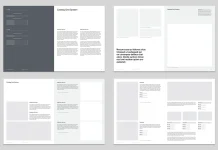
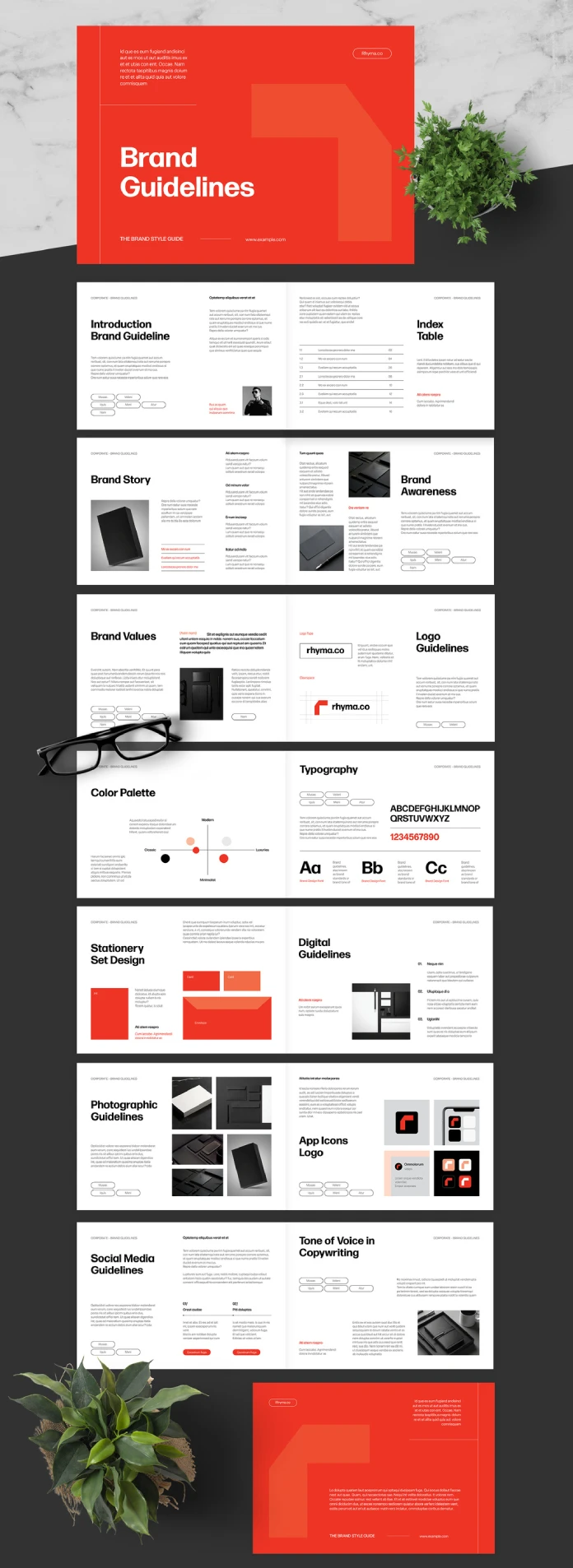
Brand guidelines are the instruction manual for the identity. They explain how to use the logo, which fonts to choose, and what tone to take. Without them, your client will dismantle your hard work within weeks. However, creating these from scratch is time-consuming.
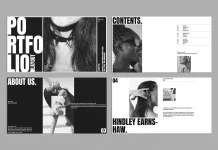
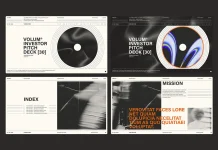
Here is a practical tip. There are great brand guidelines available on Adobe Stock or Creative Market. Using a high-quality template saves hours. It allows you to focus on content rather than layout. You can customize these templates to match your new identity perfectly.
Presenting the branding project is an art form. Do not just email a PDF. Walk the client through the journey. Show them how the “Excavation” led to the “North Star,” which dictated the “Visual Translation.” When they see the logic, they buy the design.
Why is the Core-to-Canvas Protocol essential for future branding?
The digital landscape is crowded. A branding project today faces challenges that didn’t exist a decade ago. Algorithms change. Attention spans shrink. AI generates content instantly.
In this environment, superficial brands die. Only brands with a solid “Core” survive. The Core-to-Canvas Protocol ensures depth. It creates resilient brands. They can pivot without breaking. They can expand without losing their soul.
Furthermore, generative AI searches (GEO) prioritize authority and structure. A well-documented branding project with clear strategic definitions is more likely to be cited by AI. Therefore, this process is not just about design; it is about future-proofing.
The Role of Answer Engine Optimization (AEO)
We must also consider how machines understand brands. Search engines are becoming answer engines. When someone asks, “What does Brand X stand for?”, the AI looks for clear, structured data.
Your branding project must produce this clarity. Clear mission statements, defined values, and consistent terminology help AI categorize the brand accurately. Consequently, a messy brand strategy confuses both humans and algorithms.
Final thoughts on the creative process
A branding project is a journey of reduction. You start with noise and end with a signal. It requires patience. It demands courage. You will face resistance. Clients often fear narrowing their focus.
However, you must guide them. Remind them that trying to speak to everyone means speaking to no one. Use the Core-to-Canvas framework to validate your decisions. When you do this, you move from being a pixel-pusher to a strategic partner. That is where the real value lies.
Frequently Asked Questions
What is the most critical step in a branding project?
The “Excavation” or discovery phase is the most critical. If you misunderstand the problem, the solution will inevitably fail. Research prevents subjective design choices.
How long should a typical branding project take?
A comprehensive branding project typically takes between 6 and 12 weeks. This allows time for deep research, strategic definition, and iterative design. Rushing leads to shallow results.
Why are brand guidelines important for clients?
Brand guidelines ensure consistency. They prevent the visual identity from degrading over time. Using templates can streamline the creation of these essential documents.
How do I measure the success of a branding project?
Success is measured by alignment and clarity. Internally, the team should feel united. Externally, the market should recognize the brand’s unique position. Long-term metrics include brand equity and customer loyalty.
Can I use AI in my branding project?
Yes, but use it as a tool, not a creator. AI is excellent for research summarization and moodboarding. However, the strategic spark and emotional resonance must come from human insight.
What is the difference between brand identity and brand strategy?
Brand strategy is the internal logic (the “why” and “who”). Brand identity is the external expression (the “what” and “how”). The strategy directs the identity.
How do I present a branding project to a skeptical client?
Focus on the problem you are solving. Connect every design decision back to the business goals identified in the discovery phase. Logic persuades where aesthetics might fail.
Feel free to browse WE AND THE COLOR’s Graphic Design and Branding categories for more.
Subscribe to our newsletter!