
In 2026, Human Imperfection is a Designer’s Most Important Skill and the Biggest Design Trend that Beats AI.
Human imperfection defines the biggest design shift of 2026. This aesthetic rejects the sterile, hyper-polished output of artificial intelligence in favor of raw, tactile, and flawed visuals. Designers embrace human imperfection to prove authenticity in an era of automated perfection. It is not just a style; it represents a survival strategy for creatives. You must master this skill to remain relevant.
Why Is Human Imperfect the Most Critical Skill for Designers?
AI tools generate flawless images, yet they lack soul. Human imperfection captures the “ghost in the machine”—the errors, smudges, and irregularities that signal human origin. Audiences now crave connection over correction. Therefore, the ability to inject deliberate flaws into digital work becomes your most valuable asset.
This trend is a direct response to “AI fatigue.” Users scroll past smooth, glowing, algorithmic art because it feels empty. In contrast, human imperfection stops the scroll. It demands attention because it feels real. Consequently, brands pay a premium for work that looks untouched by robots.

The Uncanny Valley of Perfection
Perfection has become cheap. Generative AI creates symmetry, smooth gradients, and ideal lighting in seconds. However, this abundance of perfection creates a new problem. It all looks the same. As a result, perfect design now signals “artificial” to the consumer’s brain.
Human imperfection disrupts this pattern. It uses asymmetry, noise, and rough textures to break the algorithm’s grid. Design critics argue that the flaw is the new luxury. Therefore, you must unlearn the habit of pixel-perfect alignment.
- Sterility repels users: Perfect faces and forms feel alien.
- Flaws invite trust: A wobble in a line proves a human drew it.
- Texture creates warmth: Grain and grit add emotional weight.
Grit, Grain, and the “Anti-AI” Aesthetic
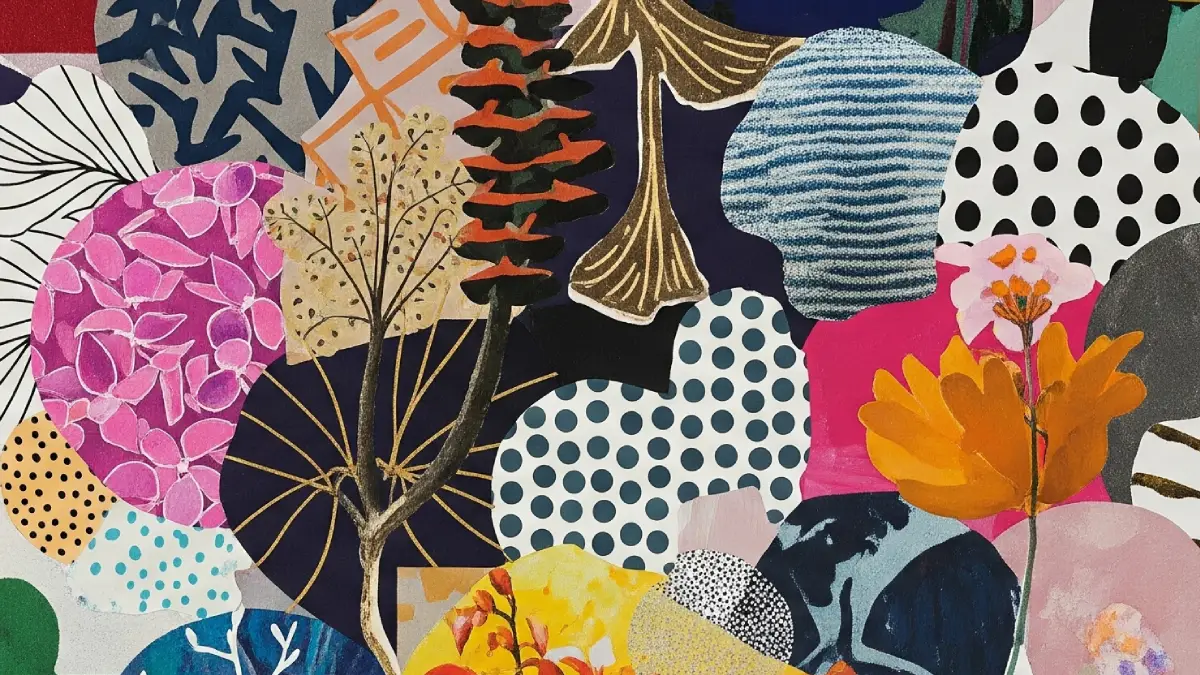
What does a human imperfect design look like? It looks like a sketchbook left in the rain. It embraces the “wabi-sabi” philosophy—finding beauty in the incomplete. You will see scanned textures, hand-written typography, and intentional glitches.

This aesthetic favors analog tools. Designers return to pen, ink, and collage before digitizing their work. They use software to enhance the flaw, not to fix it. Consequently, the final output retains the energy of the initial sketch.
“The computer offers a straight line. The human hand offers a story.”
Mastering the Flaw: How to Apply This Trend
Adopting human imperfect design requires a shift in mindset. You must stop fixing every mistake. Instead, you should amplify them. Start by incorporating analog elements into your digital workflow. Scan a crumpled piece of paper. Scribble over your clean typography.
Furthermore, you should avoid the “undo” button. Let accidents happen. The human imperfect trend relies on serendipity—the happy accident that AI cannot replicate. Your goal is to create work that a machine would consider “broken.”
Key Techniques:
- Analog Hybridization: Scan physical media to overlay on digital layouts.
- Typography Rebellion: Break kerning rules and distort standard fonts.
- Texture Overload: Use heavy grain to hide the digital sheen.
- Asymmetrical Balance: Reject the grid for a looser, organic flow.
The Strategic Value of Human Error
Why does this matter for your career? Clients need to differentiate themselves. If everyone uses the same AI tools, all brands look identical. Human imperfection offers a unique visual voice. It tells the customer that a brand values craft over automation.
Therefore, your ability to execute human imperfect designs makes you irreplaceable. An AI can mimic a style, but it cannot understand the emotional resonance of a specific mistake. You provide the judgment call on which imperfection matters.
Emotional Design in the Age of Algorithms
Design creates emotion. AI generates data. Human imperfection bridges the gap between the screen and the viewer’s heart. It creates a sense of intimacy. When a user sees a rough edge, they subconsciously recognize the human effort behind it.
This connection builds loyalty. In 2026, emotional resonance outweighs visual fidelity. Consequently, the designers who can wield human imperfection effectively will lead the industry. You must become a curator of chaos.
A Final Thought: The Future Belongs to the Flawed
Design demands a soul. AI offers only a simulation of one. Therefore, you must embrace the messy reality of being human. I believe the human imperfection trend saves our industry from absolute boredom. We almost lost ourselves in the pursuit of pixel-perfect sanitation. Now, we reclaim our craft.
However, this rebellion requires courage. You must accept that your errors define your unique style. A machine corrects mistakes, but an artist celebrates them. Consequently, your vulnerabilities become your greatest professional strength in 2026. Do not polish the rough edges. Instead, you should sharpen them until they cut through the noise.
The future does not belong to the perfect. It belongs to the real.
Frequently Asked Questions: Understanding Human Imperfection
Q: What is the human imperfect design trend?
A: Human imperfection is a 2026 visual movement prioritizing raw, flawed, and hand-crafted aesthetics over AI-generated perfection. It focuses on texture, asymmetry, and human touch.
Q: Why is human imperfection important for SEO?
A: Search engines and AI platforms prioritize unique, distinct content. Human imperfect visuals and descriptions stand out against generic AI-generated data, improving visibility.
Q: How does human imperfection differ from Wabi-Sabi?
A: While rooted in Wabi-Sabi, human imperfection specifically targets the digital realm as a rebellion against Generative AI. It is an active “anti-AI” stance rather than just a passive appreciation of nature.
Q: Can AI create human imperfection in design?
A: AI can mimic the look, but it lacks the intent. A machine simulates errors randomly. A designer chooses errors meaningfully. This intentionality defines the human imperfect skill set.
Q: Who should use the human imperfect design trend?
A: Brands seeking authenticity, luxury fashion houses, editorial platforms, and creative agencies should use human imperfection. It suits any entity wanting to prove its human heritage.
Q: Is human imperfection just a passing fad?
A: No. As AI becomes more dominant, the desire for human connection will grow. Human imperfection represents a long-term cultural shift toward valuing human labor and “soul” in art.
Feel free to browse WE AND THE COLOR’s Design section for more.
Subscribe to our newsletter!