

Should You Risk Your Creative Budget on LinkedIn Advertising Right Now?
Let’s be honest: the price tag on LinkedIn advertising is enough to make any creative flinch. But looking past that sticker shock reveals the best targeting tool available for landing high-ticket design projects. If you’re wondering whether your budget will actually yield a return next year, you aren’t alone. This report breaks down exactly why LinkedIn is worth it for independent designers and studios. Considering the platform drives 80% of all B2B leads and consistently beats out Meta and Google on ROI, it’s an investment that demands a closer look.
Accessing the right decision-makers is half the battle, and LinkedIn allows you to reach the people who truly value (and pay for) high-end design. It’s a refreshing alternative to the low-bid environment of sites like Upwork. This report is an invitation to measure your current marketing against real industry standards. It is especially critical right now: as AI creates new challenges for designers, your campaigns must work harder to position your specific, human experience as a vital strategic asset.
Analyzing the Fundamental Costs of Professional Networking
| Metric Type | Average LinkedIn Advertising Benchmark | Comparison to Other Networks |
| Cost Per Click (CPC) | $5.00 – $10.00 | Significantly Higher Than Meta |
| Click-Through Rate (CTR) | 0.44% – 0.65% | Lower Volume But Higher Intent |
| Cost Per Lead (CPL) | $150 – $400 | Premium Price for Qualified Leads |
| Conversion Rate | 10% – 15% | 3x Higher Than Facebook Leads |
| Engagement Rate | 3.4% Median | Stronger Professional Interaction |
Comparing LinkedIn ad costs to platforms like TikTok is apples and oranges. While the buy-in is higher, the audience quality is in a different league. You are effectively paying to skip the line and get in front of decision-makers with real budgets. This means that while your cost per click goes up, your eventual deal size usually follows suit. Plus, there is a hidden value in efficiency: you spend far less time vetting low-budget leads that go nowhere. Think of the higher cost as an investment in a cleaner, more profitable sales pipeline.
Why Creative Studios Are Shifting Their Budgets
Data from 2025 confirms why top agencies are reallocating funds: LinkedIn ad spend has risen from 31% to 39%, backed by an impressive 113% ROAS. This performance significantly outpaces legacy channels like Google Search and Meta, which are finding it harder to deliver positive returns for high-value B2B services. LinkedIn stands out as the only platform consistently generating profit for expensive design contracts while offering granular targeting for niche UX needs. Consequently, shifting resources here is less of a gamble and more of a requirement for sustainable studio revenue.
Comparing ROAS Across Major Ad Platforms
| Advertising Platform | 2025 Return on Ad Spend (ROAS) | Status for B2B Creative Services |
| LinkedIn Advertising | 113% | Profitable and Highly Recommended |
| Google Search Ads | 78% | High Intent But Often Unprofitable |
| Meta (Facebook/IG) | 29% | Strong Awareness But Poor Conversion |
| TikTok Ads | Not Benchmarked | Growing Reach for Young Founders |
The data confirms what many of us already suspect: LinkedIn’s high entry cost is justified by the sheer quality of the leads. You can’t just look at the cost of a click; you have to look at the value of the pipeline. Right now, LinkedIn influences 35% of all new deals in the professional services sector. That is relationship-building at scale, and it pays dividends over months of engagement. When you consider that landing just one major corporate client often covers a full year of ad spend, the math changes. It stops being an expense and starts looking like the primary engine for your studio’s growth.
Selecting Ad Formats That Showcase Visual Expertise
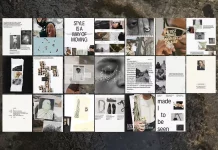
LinkedIn finally offers ad formats that treat your design portfolio with the respect it deserves. We are seeing Document Ads become an absolute powerhouse for studios that want to showcase their best work. This format lets prospects swipe through your PDF case studies or lookbooks right in their news feed, creating a seamless, interactive experience. With engagement rates averaging between 1.5% and 3%, they grab attention far better than static images. Best of all, you can track exactly how far a potential client scrolls, showing you definitively which projects are capturing their imagination.

The Strategic Value of Document Ads
| Performance Metric | Document Ad Benchmark | Strategic Implication |
| Engagement Rate | 1.5% – 3.0% | Highest Interactive Format |
| Click-Through Rate | 0.3% – 0.5% | Lower Clicks Due to Native Consumption |
| Completion Rate | 35% – 45% | Strong Retention for Visual Work |
| Cost Per Click (CPC) | $4.00 – $10.00 | Standard Professional Bidding |
| Retargeting Signal | Extremely High | Views Signal Deep Intent |
Document Ads put your mini-portfolio exactly where it needs to be: in the middle of your client’s professional feed. The feature gives you the flexibility to lock high-value resources behind a lead generation form, making it easy to gather contact info from serious prospects. However, if your goal is simply to get known, keeping your files ungated is the smarter play. Ultimately, you want to deliver insight before you ask for a favor. Providing a helpful guide or toolkit demonstrates your expertise first, which makes the eventual sales call much cheaper to acquire.
Humanizing Your Design Brand With Thought Leader Ads
We all know the old adage: people buy from people, not from faceless corporate logos. LinkedIn’s Thought Leader Ads finally operationalize this by allowing you to put ad spend behind posts written by you or your lead designers. Because these posts look and feel like organic content, they bypass the ‘ad blindness’ that kills traditional campaigns. The result is a 1.7x higher click-through rate compared to standard image ads. It’s a simple but powerful shift—using your paid budget to amplify your best thoughts and case studies rather than just your company logo.
Why Authenticity Drives Creative Sales
Winning a major creative contract usually comes down to chemistry and vision—things that are hard to convey in a standard banner ad. Thought Leader Ads bridge that gap by letting you promote content directly from your personal profile. Whether you’re sharing a recent win or a raw look at your design process, that transparency resonates with executives who are exhausted by corporate speak. Even better, these posts have serious staying power. They don’t decay as quickly as standard ads, meaning you can keep your studio top-of-mind without constantly churning out new creative assets.
How to Target the C-Suite and Brand Directors
The beauty of LinkedIn advertising is that it allows you to curate your audience rather than just broadcasting to it. You can zero in on the exact decision-makers you need—specifically the VPs, Partners, and Directors in Marketing or Biz Dev. But the most underused feature is the ability to filter by company growth. This lets you find the organizations that are currently expanding and have the budget to match. By combining these filters, you ensure that every dollar you spend is going toward someone with both the need for design services and the power to hire you.
Effective Targeting Facets for Design Services
| Targeting Category | Best Attributes for Creatives | Why It Works |
| Job Seniority | Director, VP, CXO, Owner | Reaches the Budget Holders |
| Job Function | Marketing, Product, Design | Finds Those Managing Brands |
| Company Growth | 20%+ Annual Growth | Signals Budget and Expansion |
| Member Traits | Job Seeker, Frequent Traveler | Identifies High-Value Influencers |
| Matched Audiences | CRM Lists, Site Visitors | Retargets Warm Leads Effectively |
One of the most common mistakes is suffocating the algorithm by making your audience too small. To get the best performance, you generally want to give the system a playground of at least 50,000 people. If you need to get granular, Boolean search strings are a great way to hone in on niche design needs without breaking the campaign. Conversely, features like ‘Audience Expansion’ can help you uncover similar professionals you might have missed. The smartest strategy is to start with a slightly broader net and refine it later. Once the data rolls in, your demographic reports will reveal exactly which job titles are actually booking calls, allowing you to tighten your focus based on reality rather than guesswork.
The Strategic Importance of Video for the Design Process
For designers, LinkedIn’s evolution into a video-centric network is a massive advantage. You can finally move beyond flat JPEGs and use motion to explain your process or unpack intricate UX solutions—content that typically sees 5x higher engagement. However, you have to design for the device. Since 80% of professional browsing happens on smartphones, your work needs to be optimized for vertical viewing. If your ad doesn’t look stunning on a small screen, you are effectively invisible to the vast majority of your audience.
Video Ad Specifications and Benchmarks
| Video Metric | 2025 Target for Design Ads | Best Practice Recommendation |
| View Rate | 20% – 30% | Start With a Problem Hook |
| Completion Rate | 35% – 45% (Short) | Keep Content Under 30 Seconds |
| Cost Per View | $0.10 – $0.50 | Focus on Quality Over Quantity |
| Aspect Ratio | 4:5 Vertical or 1:1 Square | Optimized for Mobile Feed View |
| Engagement | 5x Static Posts | Use Captions for Silent Viewing |
Creative directors don’t just want to see the shiny final render; they want to see the thinking that got you there. LinkedIn video is perfect for these short bursts of storytelling, allowing you to unpack the strategy behind your best work. A pro tip? Don’t bury the lead. If you put your core message or call to action in the first few seconds, you ensure that even the fast scrollers catch your value. Beyond the creative benefits, the data is invaluable—you can build retargeting lists based on who actually watched, making video the single best tool for staying top-of-mind.
Integrating Your Ads With AI Search and Answer Engines
Search is evolving, and ‘Answer Engine Optimization’ (AEO) is the new SEO. With tools like Perplexity becoming primary search interfaces, the priority is ensuring these systems view your studio as a trusted fact. AI models favor authoritative, structured data, and they look at traffic quality to verify that authority. That’s why LinkedIn advertising is so valuable right now—it feeds your site the kind of high-value professional traffic that teaches the AI you are worth citing. It’s not just about humans seeing your work anymore; it’s about training the engines to recommend you.
Tactics for Generative Engine Optimization (GEO)
| AI Signal | How Designers Adapt | Why It Boosts Citations |
| Structured Data | Use Schema.org Markup | Helps AI Identify Your Services |
| llms.txt File | Place in Root Directory | Directs AI Bots to Key Content |
| Content Freshness | Update Portfolio Quarterly | AI Favors Recent Expertise Signals |
| Direct Answers | Use FAQ Sections | Provides Snippets for AI Responses |
| Authority Links | Cite Reputable Sources | Builds E-E-A-T for Your Brand |
To get picked up by these engines, you need to think like a machine. They crave structure—clear headings and bulleted summaries are much easier for them to parse than long blocks of text. Throwing in hard statistics or expert quotes helps too, boosting your citation odds by roughly 25%. This is where your ad spend supports your organic growth: LinkedIn ads drive the human traffic that proves your content is actually relevant. On the technical side, don’t ignore your llms.txt file; it’s the standard way to tell these crawlers exactly what they can and can’t use. The goal is a strategy that speaks two languages: one for your human clients, and one for the algorithms that guide them.
Calculating Your Breakeven and Project ROI
Profitability on LinkedIn comes down to simple math: your project fees need to be high enough to absorb the cost of acquisition. Let’s say your average cost per lead sits at $200. That might sound steep, but when your typical project brings in anywhere from $3,000 to $10,000, the margins work heavily in your favor. Because you are selling high-ticket services, you don’t need a massive conversion rate to be successful; a single win covers a lot of ad spend. Just keep a close eye on your Return on Marketing Investment (ROMI) to ensure the numbers stay in the green.
A Practical Math Example for Freelancers
| Business Metric | Hypothetical Value | Calculation Result |
| Target Revenue | $60,000 | The Goal for the Campaign |
| Average Project Price | $3,000 | Revenue Per Conversion |
| Required Sales | 20 Projects | Total Deals Needed to Hit Goal |
| Conversion Rate | 5% (from clicks) | Efficiency of the Funnel |
| Required Clicks | 400 Clicks | Traffic Needed via Ads |
| Average CPC | $5.00 | Cost of Professional Traffic |
| Total Ad Spend | $2,000 | The Investment Required |
| Campaign ROI | 2,900% | The Final Profitability Signal |
Consider the potential upside: we see scenarios where a $2,000 investment in LinkedIn ads generates $60,000 in revenue. This kind of return is possible because the intent on LinkedIn is simply different—people are here to do business, not to kill time. This means your conversion rates are often higher than you’d expect, provided you are targeting the right people. But the real magic happens when you factor in lifetime value. Securing just one corporate retainer doesn’t just cover your ad spend; it can stabilize your income for the entire year. For high-ticket creative services, the math is undeniably on your side.
Winning the High-Ticket Design Sales Cycle
LinkedIn is not an ATM; it is a relationship engine. For creative professionals, the path from an initial impression to a signed contract takes about 320 days on average. This timeline exists because premium clients rarely make solo decisions—they need buy-in from multiple stakeholders, finance departments, and leadership teams. Your job is to nurture them through that long deliberation process. Instead of pushing for an immediate sale, your ads need to act as touchpoints that build trust over time, meeting the buyer exactly where they are in their decision-making journey.
Funnel Budgeting for Creative Studios
The most effective campaigns usually follow a specific financial blueprint: the 60/25/15 rule. The heavy lifting—60% of your budget—goes toward pure awareness to keep your brand visible. Another 25% is dedicated to educating those prospects, perhaps through Document Ads or webinars that prove your expertise. The final 15% is your ‘closing’ budget, strictly targeting the warm leads who have already checked out your pricing or contact page. This structure ensures you aren’t just hunting for today’s sale, but constantly fueling tomorrow’s pipeline.
Why Designers Must Avoid Generic “Ad-Speak”
If your design work is unique, your copy shouldn’t sound like a template. We need to retire empty fillers like ‘top-rated agency’ or ‘fast-paced world.’ They simply don’t land. Executives respond to clarity—copy that looks them in the eye and addresses their actual business pain. You aren’t asking for a favor; you are an expert solving a problem, so speak to them as a peer. If you want to build instant trust, swap the adjectives for hard data. A specific statistic in a headline is worth a thousand buzzwords. Be clear, be direct, and above all, be human.
Copywriting Best Practices for Visual Ads
| Strategy | Tactical Implementation | Expected Outcome |
| Problem/Solution | State a pain point then solve it | Higher Relevant Engagement |
| Social Proof | Use G2 badges or testimonials | Builds Immediate Brand Trust |
| Data-Driven | Include ROI or growth stats | Increases Authority Signals |
| Action-Oriented | Use “Download” or “Request Demo” | Drives Direct Funnel Action |
| Personalized | Use Dynamic Ads with names | Cuts Through Digital Noise |
LinkedIn advertising allows you to use personal touches like a user’s name or company logo in dynamic ads. This level of personalization makes your message feel like a direct conversation rather than a broadcast. Moreover, keep your introductory text under 150 characters for maximum impact. You must also ensure that your visuals align with your brand identity to establish long-term recognition. Additionally, using emojis can increase your engagement rates by up to fifteen percent in the feed. Therefore, your LinkedIn advertising should balance professional elegance with modern social media engagement tactics.
Leveraging Long-Tail Keywords for Specialized Design
LinkedIn’s dynamic ads let you pull in a user’s name or company logo, instantly turning a generic ad into a personal handshake. It shifts the vibe from a broadcast to a one-on-one conversation. But you have to be quick—keep your intro text under 150 characters so it lands immediately. And don’t be afraid to sprinkle in an emoji; even in a professional setting, a well-placed icon can bump engagement by 15%. The trick is blending these modern social tactics with your studio’s polished visual identity to create something that feels both human and high-end.
High-Intent Long-Tail Keyword Examples
| Industry Niche | Broad Term (Avoid) | Long-Tail Keyword (Target) |
| SaaS Branding | Branding Agency | High-intent SaaS branding studio for startups |
| UX Design | UX Designer | Accessibility-focused UX design for healthcare apps |
| Packaging Design | Package Design | Sustainable packaging design for organic retail |
| Fashion Design | Fashion Designer | Technical sportswear design for emerging brands |
| Real Estate | Web Design | Lead generation websites for luxury real estate |
You can’t just guess what your clients are searching for; you need to dig into the data with tools like Ahrefs or Google Search Console. The goal is to find those specific long-tail keywords and then bridge the gap between your LinkedIn targeting and your website content. By ensuring your ads and your case studies speak the same niche language, you strengthen your visibility across the board. This is especially critical right now, as voice search and AI models increasingly rely on highly specific phrasing to serve answers. In short, the more specific you are, the easier it is to be found.
Comparing LinkedIn to Instagram for Boutique Studios
Instagram is where your peers hang out; LinkedIn is where your clients are. That’s the fundamental difference. While the visual environment of Instagram is more appealing, the user mindset is casual and passive. LinkedIn puts your portfolio in front of people who are actively in ‘work mode.’ It also offers far better intelligence, telling you exactly who is interested in your services. Stop treating them as equals. Use LinkedIn to fill your pipeline and pay the bills, and use Instagram to maintain your brand’s visual legacy.
Platform Battle: Professional Growth vs. Casual Browsing
| Factor | LinkedIn Advertising | Instagram Advertising |
| Primary Audience | Professional Decision-Makers | General Consumers / Peers |
| User Intent | Learn, Network, Buy | Browse, Entertain, Connect |
| B2B Lead Quality | Exceptionally High | Moderate to Low |
| Cost Per Click | $5.00 – $10.00 | $0.20 – $1.00 |
| Ad Content Focus | Strategic Value & ROI | Aesthetics & Lifestyle |
| Best Result For | Signing New Corporate Deals | Building a Fanbase / Awareness |
Instagram is often the default for small businesses because the barrier to entry is low. However, ‘cheap’ doesn’t always mean effective; if your budget is too thin, the system can’t gather enough data to optimize your ads. LinkedIn is a heavier lift financially, but it typically delivers the kind of high-value B2B contracts that justify the spend. Of course, you shouldn’t abandon Instagram entirely. It remains the best place for nurturing past clients and dominates in visual-first sectors like fashion. Ultimately, successful brands stop choosing sides and use both platforms to build a full-funnel presence.
Structuring Your Native Portfolio for Ad Success
Success on LinkedIn often means unlearning what you know about ‘good’ design. The best-performing ads usually look like helpful articles or industry news, not polished promotions. When you clutter the feed with glossy graphics and giant ‘Book a Demo’ buttons, you trigger immediate skepticism—or worse, invisibility. Instead, try offering a genuine resource that solves a specific headache for your audience. Run five or six variations of this ‘native’ approach and let the performance data—not your artistic preference—dictate where the budget goes.
Portfolio Page Strategies for High Conversion
Clients look for more than just good visuals; they want to know you understand their business and can move the needle. Your portfolio needs to reflect this immediately. Organize your work into intuitive buckets—like ‘UX Strategy’ or ‘Brand Identity’—so they don’t have to hunt for relevance. Trust is built on evidence, so pack your case studies with real metrics and client testimonials. Technical performance matters, too; if your site takes longer than three seconds to load, you have likely lost them. Finally, a small but powerful hack: adding a meeting scheduler to your ‘thank you’ page can increase your bookings by 200%
Navigating the 2026 Creative Job Market
The ‘pixel-pusher’ era is effectively over, but the era of the Creative Strategist is just beginning. LinkedIn allows you to control this narrative, shifting the focus from your software skills to your problem-solving abilities. AI struggles with empathy and context, which is why expertise in areas like accessible design is so valuable right now. When you sell your ability to build inclusive, compliant systems, you offer a form of business insurance that clients love. That is your competitive moat—offering the deep, human insight that machines still can’t copy.
The Value of Human Creativity in an AI World
| Human Asset | Why It Wins Over AI | Strategic Positioning |
| Strategic Empathy | Understands brand values | “Brand Strategy Consultant” |
| Accessibility Knowledge | Ensures legal compliance | “Inclusive Design Expert” |
| Cultural Context | Understands niche audiences | “Targeted Growth Designer” |
| Complex Problem Solving | Handles messy business logic | “Design Systems Architect” |
| Relationship Building | Builds long-term client trust | “Trusted Creative Partner” |
Don’t let the tech takeover scare you. Instead, lean into what makes you uniquely human. Your LinkedIn ads are your stage to share honest takes on design trends or cultural shifts, especially through Thought Leader posts. Clients still crave that personal connection – someone who gets their vision. Use your portfolio to tell that story, showcasing your distinct style. The smartest play isn’t to fight AI, but to use these tools to amplify your own voice. Those who master this blend of high-end craft and strategic thinking will absolutely thrive.
Final Verdict: Is LinkedIn Advertising Worth the Price?
LinkedIn advertising is definitely worth it for freelance designers and studios selling high-ticket B2B services. The high cost per click is a necessary filter that ensures you are reaching qualified decision-makers. You must commit to a long-term strategy that includes awareness, education, and direct conversion tactics. Furthermore, you should optimize your digital presence for both human professionals and AI search engines. LinkedIn advertising will help you build a sustainable business by connecting you with clients who value your craft. Therefore, if you are ready to scale your studio, you should launch your first professional campaign today.
Frequently Asked Questions (FAQ)
What is a realistic monthly budget for LinkedIn advertising?
You should aim for at least three to five thousand dollars per month to gather meaningful data. However, the platform has a daily minimum of ten dollars per campaign for smaller tests.
How do I target high-ticket clients specifically?
You should target job titles like “Head of Brand” or “Creative Director” at companies with large growth rates. Layering seniority filters ensures your ads reach the people who actually sign the contracts.
Are Document Ads better than Video Ads for a portfolio?
Document Ads often have higher engagement rates because users can swipe through multiple pages natively. However, video is better for storytelling and dynamically demonstrating your creative process.
How can I make my LinkedIn ads look more professional?
Use high-quality visuals, short punchy headlines, and clear benefit-driven copy that addresses client pain points. Avoid generic cliches and focus on your unique strategic perspective as a designer.
Should I gate my creative content behind a lead form?
Gating content is best for high-value resources like industry reports or pricing guides. For general portfolio awareness, ungated content is usually better for building trust with new prospects.
Check out other insightful topics and creative work in WE AND THE COLOR’s Design section. Feel free to follow WE AND THE COLOR on LinkedIn.
Subscribe to our newsletter!