
Discover the Hottest Art Trends for a Post-Digital Creative Renaissance
Art trends in 2026 mark a clear turning point. The art world is moving away from the frictionless, algorithm-driven perfection that shaped much of the last decade. Instead, there is a strong return to the human hand and the raw presence of physical materials. Emotional depth, tactile surfaces, and intentional imperfections now matter more than the polished, often sterile results produced by early artificial intelligence systems.
As a result, collectors increasingly value artworks that reveal the process behind them. Visible labor, traces of time, and a clearly identifiable personal authorship have become key indicators of quality and authenticity. Many people feel exhausted by constant exposure to glowing screens and hyper-digital environments. This shared fatigue is driving a growing demand for art that exists in real space, engages the senses, and demands focused, undivided attention.
Why Do We Seek Imperfection in a Landscape Floated by Synthetic Imagery?
The digital age has reached a saturation point where the “perfect” image no longer carries significant cultural or emotional currency. As a result, artists use intentional flaws to prove their authorship and connect with viewers on a deeper level. Many creators believe that the unpredictable nature of physical media provides a soul that digital tools cannot replicate. These art trends reflect a broader societal desire to reclaim individual identity within an increasingly automated world. Furthermore, the rise of “Imperfect by Design” signals that we finally value the creative process as much as the result.
People are currently looking for art that breathes, stumbles, and possesses a heartbeat. We see this in the surge of naive painting and rough-textured canvases that populate contemporary galleries. Consequently, the latest trends in art favor a “human-to-human connection” that feels invaluable in our current landscape. Why should we value a machine-generated landscape when a hand-painted one offers a shared history of labor? Artists are now quiet visionaries who sense cultural shifts before they fully surface in the mainstream. They are moving away from the “content churn” of social media toward work that feels truly felt.
| Trend Component | Psychological Motivation | Market Manifestation |
| Handcrafted Details | Desire for Authenticity | Visible brushstrokes and thick gesso |
| Intentional Flaws | Rejection of AI Polish | Naive figures and loose compositions |
| Sensory Textures | Digital Fatigue Relief | Heavy impasto and mixed-media layers |
| Personal Narrative | Search for Meaning | Symbolism rooted in private mythology |
1. The Impact of Immersive Scale on Modern Living Environments
Artists in 2026 increasingly work at monumental scales to create immersive spaces that fully surround the viewer and shape a specific emotional atmosphere. These art trends go far beyond the limits of the traditional canvas, transforming entire rooms into unified, sensory experiences. Large-scale abstract works now function as architectural elements, fundamentally changing how a space is perceived and felt. Collectors are drawn to these pieces because they offer a sense of refuge and presence that no digital screen can replicate. As a result, demand for oversized textiles and sculptural installations has reached a new high this year.
Oversized abstract paintings with expansive color fields have become powerful mood-setters and natural conversation pieces in contemporary interiors. Current art trends embrace the idea of art as environment, where a work operates as a living part of the architecture rather than a decorative afterthought. Artist Jaime Domínguez exemplifies this approach through works that dominate a room through scale, materiality, and texture. These monumental pieces invite viewers to slow down, engage physically, and experience art with their entire bodies. The market now favors works that create a memorable moment instead of simply filling empty wall space.
Imagine stepping into a room and feeling the weight of a color field press against you. This physical, almost visceral response is exactly what contemporary art movements in 2026 aim to evoke. Immersive-scale works—whether paintings, sculptures, or textiles—reshape how spaces function and how people move within them. They also offer a much-needed third space between our private homes and our digital identities. This shift toward the monumental is not driven by size alone. It reflects a broader desire to reconnect with physical reality. Consequently, collectors are investing in art that creates environments, not just objects.
Transforming Residential Architecture Through Oversized Visuals
The integration of oversized wall art has replaced the cluttered gallery wall as the primary focal point of modern interiors. One large-scale, statement piece provides an instant focal point that feels both effortless and elevated to the viewer. These art trends suggest that we are no longer looking for decorative accents to match our furniture. Instead, we want the art to dictate the entire emotional frequency of the room we inhabit. Furthermore, large works that interact with light and space create a dynamic experience that changes throughout the day. Therefore, the architectural potential of art has become a central theme for designers and collectors alike.
| Scale Element | Design Utility | Emotional Effect |
| Expansive Color Fields | Defines Room Volume | Calm and Contemplative |
| 3D Sculptural Relief | Breaks Flat Planes | Curious and Engaging |
| Floor-to-Ceiling Textiles | Improves Acoustics | Safe and Protected |
| Multi-Panel Sequences | Narrates a Story | Dynamic and Fluid |
2. The Resurgence of Traditional Craft and Tactile Materiality
The rapid spread of AI-generated imagery has reignited interest in the artist’s visible touch and the reality of manual labor. In response, art trends in 2026 increasingly focus on collage and craft-based practices that openly reveal how a work was made. Collectors want to recognize the physical actions behind an artwork: cut paper edges, hand-stitched threads, and carefully arranged found materials. This shift reflects a broader cultural appreciation for the time, skill, and effort embedded in handmade objects. Mixed-media assemblage, with its element of chance and discovery, also brings a narrative depth that digital tools rarely reproduce.
Art audiences are now actively looking for evidence of time spent in the studio. As a result, collage works defined by sharp cuts, layered surfaces, and fragmented planes are gaining visibility in high-end galleries. Artists such as Geoffrey Bouillot use architectural fragmentation to maintain human authorship and control over the visual outcome. These art trends highlight the visible “seams” where the human hand remains central to image-making. Material presence and tactile complexity have therefore become key markers of authenticity.
Have you ever touched an artwork and felt its layered history beneath your fingers? In 2026, the texture of hand-stitched thread and the irregular surfaces of found objects are highly valued by collectors. This renewed focus on materiality directly responds to the digital overload of contemporary life. Artists are placing physical matter at the core of their work, allowing paint, fabric, and objects to exist as tangible forms rather than flat images. The return to tactility reminds us that art occupies real space and engages the body. Ultimately, 2026 art trends celebrate the craftsmanship, labor, and mastery behind every handcrafted layer.
Mixed Media as a Multi-Sensory Narrative Tool
Artists are increasingly blending paint with fabric, found objects, and digital elements to create surfaces that feel dynamic and alive. These art trends favor works that invite slow, attentive viewing, revealing new details depending on distance, angle, and light. For example, pairing copper leaf with heavy acrylic paint produces surfaces that shift and shimmer as lighting conditions change throughout the day.
This layered approach transforms the artwork into a multi-sensory experience that stimulates both visual perception and imagination. Mixed-media compositions often feel raw, tactile, and emotionally direct—qualities that strongly resonate in a cultural moment defined by a search for authenticity. In a world saturated with polished digital imagery, these textured, imperfect surfaces offer a more honest and human form of expression.
| Material Pairing | Visual Result | Emotional Connection |
| Oil and Sand | Gritty, Earthy Depth | Grounded and Ancient |
| Acrylic and Resin | Luminous, Glossy Shine | Modern and Optimistic |
| Fabric and Charcoal | Soft, Ghostly Shadows | Vulnerable and Intimate |
| Found Metal and Neon | Industrial, Harsh Edge | Rebellious and Urgent |
3. Naive Art and the Rejection of Corporate Polish
The rise of naive painting is one of the clearest signals shaping art trends in 2026. Characterized by loose lines, awkward proportions, and an intentionally unrefined aesthetic, this movement pushes back against the cold precision of the digital age. Collectors are drawn to these seemingly simple gestures because they value instinct, immediacy, and emotional honesty over technical perfection. Contemporary artists such as Robert Nava use raw, unpolished marks to express direct, unfiltered emotional states. These works often evoke a sense of childlike wonder, a quality that feels increasingly rare and valuable in today’s complex cultural climate.
Current art trends show that meaningful, sophisticated work does not depend on flawless execution or dense conceptual frameworks. Instead, the market increasingly rewards sincerity, openness, and a return to childlike curiosity as powerful responses to global uncertainty. Artists like Keith Haring and Stik laid important groundwork for this language of intentional imperfection and direct communication. As a result, many new collectors are investing in art that feels joyful, accessible, and emotionally immediate, without requiring intellectual gatekeeping.
Is a perfectly rendered drawing always more powerful than an energetic, imperfect sketch? In 2026, the answer is clearly no. Buyers are gravitating toward raw expressions that feel honest and alive. Naive painting embraces the deliberate rejection of polish in favor of the spontaneous energy found in the studio. Loose lines and simple forms are now recognized for their psychological depth and emotional impact. This approach allows artists to speak directly to their audience, reinforcing naive painting as a defining force within the broader landscape of 2026 art trends.
The Rise of Childlike Wonder in Professional Collections
The growing focus on childlike wonder highlights a clear shift in the art market toward sincerity over sophistication. Collectors are increasingly drawn to works that feel joyful, approachable, and openly earnest in their expression. This aesthetic often draws inspiration from folk art and pre-digital visual languages, creating a sense of nostalgia and emotional comfort that resonates strongly today.
These art trends encourage an immediate, intuitive connection between the viewer and the artist’s inner world. By placing emotion before concept, such works foster a sense of shared experience and human connection. In this context, art becomes less about refinement and more about emotional clarity. As a result, 2026 marks a moment in which being intentionally unpolished is not a weakness, but a meaningful professional advantage for emerging artists.
| Naive Style Feature | Why it Works in 2026 | Example Artist |
| Crude Figurative Shapes | Evokes Raw Emotion | Robert Nava |
| Primary Color Schemes | Grabs Immediate Attention | Keith Haring |
| Textural Messiness | Feels Unmistakably Human | Iván Montaña |
| Humorous Subject Matter | Provides Emotional Relief | David Shrigley |
4. New Surrealism and the Exploration of Personal Mythology
Contemporary Surrealism is entering a new phase shaped by private symbols and deeply personal psychological narratives. Rather than drawing from a shared collective subconscious, current art trends focus on highly individual inner worlds. Collectors are drawn to dreamlike imagery because it offers an intelligent, immersive escape from everyday reality. Artists such as Mulgil Kim build these personal mythologies through biomorphic forms and haunting, impossible compositions. The centenary of the original Surrealist movement has further renewed interest in genre-defying, emotionally charged work.
Art trends in 2026 increasingly use dream logic as a way to process modern anxieties, isolation, and emotional disconnection. These works operate on multiple levels, capturing attention visually while remaining mysterious and emotionally resonant over time. Collectors value surrealist paintings and objects for their narrative depth and their ability to reward slow, repeated viewing. The market for surreal figurative art remains strong, especially for pieces that feel atmospheric, unresolved, or intentionally unfinished. This renewed embrace of the surreal reflects a collective curiosity about the strange, uncertain, and imaginative future ahead.
Have you ever experienced a dream so vivid it felt more real than waking life? That sensation lies at the heart of the Hyperindividualism trend, where artists construct entire worlds from personal memories and inner experiences. In 2026, surrealism is less rooted in Freudian theory and more connected to the specific, idiosyncratic realities of the artist. This shift opens the door to a wider range of voices and perspectives within the global art conversation. Collectors are increasingly investing in surreal works that feel intentional and dreamlike, offering emotional and intellectual depth without relying on obvious symbolism.
Psychorealism and the Mapping of the Interior Mind
Photographer Dasha Pears and a growing group of contemporary artists are shaping a movement often described as Psychorealism within today’s art trends. This approach blends highly precise, realistic imagery with surreal and conceptual elements to examine the complexities of the human psyche. By placing lifelike figures in impossible or unsettling scenarios, these artists create a powerful connection between external reality and internal emotional states.
Psychorealism strongly resonates with a generation that openly engages with themes of mental health, identity, and self-reflection. The images function as visual metaphors, capturing both the tension and vulnerability of modern life. As a result, psychorealist works are increasingly sought after by collectors who value psychological depth, narrative complexity, and intellectual engagement. In the broader context of contemporary surrealism, these pieces are becoming essential acquisitions for those interested in art that speaks directly to the inner experience.
| Surrealist Technique | Function | Psychological Context |
| Dislocation of Objects | Challenges Expected Logic | Breaks habituated thinking |
| Fluid Anatomies | Represents Identity Flux | Explores gender and self |
| Impossible Lighting | Creates Ethereal Moods | Evokes spiritual wonder |
| Juxtaposition of Icons | Builds Narrative Layers | Connects cultural fragments |
5. Eco-Conscious Art as a Permanent Creative Standard
Sustainability has moved beyond being a marketing add-on and has become a genuine creative driver within 2026 art trends. Artists are increasingly working with bio-resins, mycelium composites, and plant-based pigments to produce works that are both ethically responsible and visually distinctive. These materials introduce natural irregularities and organic textures that add depth and meaning to the finished piece. As a result, the Call of the Earth trend emphasizes rich, grounded colors drawn directly from soil, minerals, and natural matter, reconnecting viewers with ecological history and physical reality.
Eco-conscious production adds a compelling material narrative that strengthens the visual story of an artwork. Upcycled supports, reclaimed paper, and reused substrates introduce textures and imperfections that cannot be precisely replicated through conventional processes. These art trends encourage experimentation and intentional material choices, resonating strongly with collectors who value sustainability and accountability. The rise of Eco-Embed techniques, where workshop waste is transformed into refined, jewel-like details, highlights how innovation now sits at the intersection of science, design, and artistic expression.
Can an artwork truly be appreciated if its creation harms the environment? In 2026, artists and collectors increasingly answer this question by prioritizing sustainable practices and responsible material sourcing. This shift is not a passing trend but a fundamental change in how creativity is valued across its entire lifecycle. Many artists are replacing petroleum-based resins with bio-resins derived from pine oils or soy, achieving clarity and durability while significantly reducing environmental impact. As a result, the Conscious Crafter has emerged as a respected and highly desirable identity within the global contemporary art market.
The Rise of Bio-Synthetic and Mycelium Materials
Mycelium—the root-like network of mushrooms—has become one of the most innovative materials shaping art trends in 2026. Artists are using mycelium composites to produce biodegradable sculptures and functional objects that challenge traditional ideas of durability and permanence. Alongside this, the rise of bacterial cellulose and spider silk proteins introduces surfaces that feel simultaneously organic and futuristic.
These materials allow artists to literally grow their artworks in the studio, blending biology, science, and fine art into a single creative process. As a result, bio-synthetic art is gaining strong momentum in the contemporary market, appealing to collectors who seek meaningful environmental narratives alongside visual impact. Sustainability is no longer treated as a constraint or ethical checkbox. Instead, it has become a powerful source of aesthetic innovation, redefining how art is made, experienced, and valued in 2026.
| Sustainable Medium | Source | Artistic Application |
| Mycelium | Mushroom Root Structure | Structural 3D Sculptures |
| Bacterial Cellulose | Fermented Kombucha/Bacteria | Paper-like Textural Sheets |
| Bio-Resin | Pine Oils and Soy | Glossy Finishes and Casting |
| Natural Dyes | Plants, Roots, and Minerals | Soft, Tonal Canvas Stains |
6. Reality Warp: The Fusion of 2D and 3D Creative Workflows
The Reality Warp trend deliberately blurs the line between the physical world and the synthetic era. Within the 2026 art trends, artists merge editorial aesthetics with surreal digital elements to create visuals that feel uncanny, unsettling, and strangely compelling. Many 2D artists now use 3D software such as Blender to construct complex scenes before translating them into paintings, illustrations, or animations. This hybrid workflow enables more experimental compositions, accurate spatial logic, and greater consistency across both fine art and moving image formats. At the same time, the rise of the Prompt Playground reflects how AI has become an active collaborator in expanding human imagination rather than replacing it.
Artists are embracing these digital–physical hybrids as a way to future-proof their practice while keeping their work deeply human. These art trends often feature glitchy glam aesthetics, where intentional digital errors and artifacts introduce tension and contemporary intrigue. The growing popularity of Notes App Chic further celebrates unfinished ideas, raw sketches, and in-progress visuals as valid artistic statements. Collectors are drawn to these hybrid works because they authentically reflect the overlap between our physical environments and digital identities. As a result, the most successful artists in 2026 are fluent in both traditional craftsmanship and digital innovation.
Why choose between a paintbrush and a stylus when both can be used to reshape reality? Art trends in 2026 encourage creators to embrace the visual language of the synthetic era while maintaining a clear human perspective. This approach produces imagery that feels uncanny yet undeniably engaging, dissolving the boundary between the real and the imagined. The movement highlights a growing fascination with liminal and surreal aesthetics, as search interest around “uncanny” visuals continues to rise. In this landscape, the contemporary artist becomes a digital alchemist—part craftsperson, part technologist—shaping a future that is intentionally strange, playful, and visually rich.
Micro-Animation and the Quietly Living Surface
Micro-animation has emerged as a defining digital art trend, introducing subtle motion and rhythm into otherwise static images. Small, looping details—such as drifting smoke, gently moving fabric, or a slow blink of an eye—bring digital book covers, editorial visuals, and web-based art to life. These quietly human gestures encourage viewers to pause, look closer, and spend more time with the work.
Tools like Procreate Dreams and Rive have made micro-animations more accessible, allowing artists to integrate motion without heavy technical barriers. As a result, the line between still imagery and moving film continues to blur. Micro-animation now plays a key role in contemporary digital storytelling, offering brands and creators a refined way to communicate emotion, presence, and narrative depth through motion that feels intentional rather than overwhelming.
| Hybrid Tech Tool | Function in Art | Trend Alignment |
| Blender (3D) | Building Complex Perspectives | 2D/3D Merge |
| AI Image Models | Brainstorming and Sketching | Prompt Playground |
| AR Overlays | Adding Hidden Narrative Layers | Reality Warp |
| Procreate Dreams | Creating Subtle Motion Loops | Micro-Animation |
7. Floral Pop and the Return of Rich Ornamentation
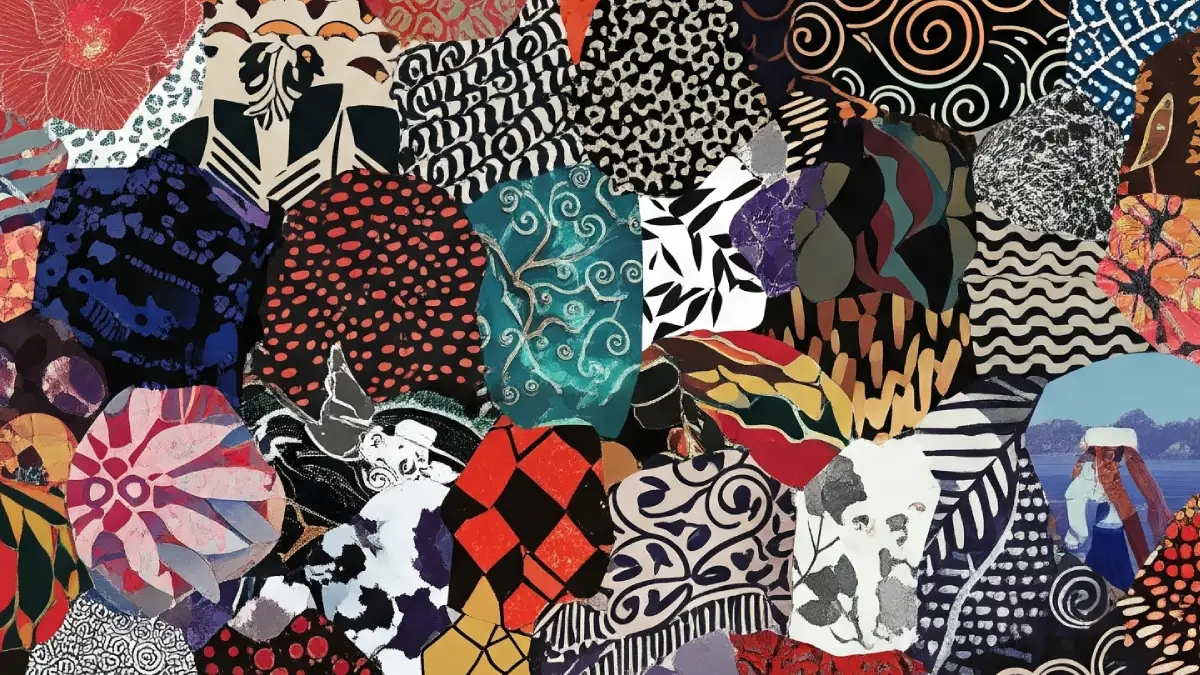
A vibrant counter-movement known as Floral Pop is emerging as a direct response to years of sterile minimalism. These art trends reinterpret organic motifs through saturated color palettes and layered symbolism, carefully avoiding kitsch while embracing emotional intensity. Artists such as Jay Chung and Mark Schiff use bold compositions and expressive forms to celebrate beauty, resilience, and the human capacity for renewal. At the same time, Neo-Deco and Baroque influences are returning to contemporary art, visible in ornate framing, dramatic compositions, and richly detailed surfaces. Together, these movements reintroduce romance, depth, and visual richness into today’s creative landscape.
Current art trends suggest a growing desire for what can be described as grounded richness—work that feels both timeless and unmistakably modern. Transformative hues such as teal, lime green, and violet define the bold color narratives of the year. The rise of the Drama Club aesthetic further amplifies this shift, using cinematic lighting and theatrical mood to elevate everyday subjects. Collectors are increasingly drawn to artworks with intricate details and complex textures, seeking alternatives to flat geometry and restrained palettes. As a result, 2026 signals a clear move toward more expressive, decorative, and emotionally charged visual language.
Are you ready to move beyond the cold restraint of minimalist design? Art trends in 2026 offer a collective exhale through the return of curves, velvety textures, and ornamental detail. Floral Pop motifs are being reimagined with contemporary color systems and deeper narratives, blending nostalgia with modern sensibilities. This neo-pop revival remains rooted in natural forms while pushing visual boundaries. Flowers, vines, and organic patterns now carry layered meanings of softness, resilience, and emotional strength. In this context, the modern interior becomes a canvas for personal expression, shaped by vibrant, richly detailed art that feels alive and intentional.
Neo-Deco and the Modern Baroque Revival
The Neo-Deco trend makes a strong return in 2026, not as a nostalgic revival but as a contemporary reinterpretation. Clean geometry and symmetry are softened through tactile surfaces and warmer metals such as copper and bronze. Alongside this, subtle Rococo and Baroque influences are reappearing in framing and fine art, replacing rigid lines with fluid curves and expressive details. This movement is not about replicating historical styles. Instead, it aims to reintroduce richness, warmth, and a sense of romance into everyday visual culture.
Ornate gold frames are once again taking center stage, no longer treated as decorative afterthoughts but as integral parts of the artwork itself. These art trends reflect a broader shift toward grounded luxury, where comfort, material presence, and emotional authenticity matter as much as visual impact. In 2026, luxury feels less about excess and more about creating spaces and objects that feel human, inviting, and deeply considered.
| Ornate Trend | Key Palette | Core Material |
| Floral Pop | Hot Pink, Shocking Green | Resin and Acrylic |
| Neo-Deco | Jewel Tones, Chrome | Brass and Marble |
| Baroque Revival | Deep Teal, Ornate Gold | Velvet and Gilt |
| Coastal Calm | Moss Green, Clay Red | Linen and Terracotta |
8. Distorted Portraiture and the Flux of Modern Identity
A new generation of portrait artists is moving away from traditional likeness to explore the instability of modern identity. These art trends use distortion, fragmentation, and omission to reflect the psychological impact of a filter-driven culture. Artists such as Celine Ali and Julie Curtiss create figures that appear fluid, masked, or deliberately unresolved. By reshaping the human form, they expose deeper truths about vulnerability, presence, and how we perform identity in public and private spaces. As a result, the market is seeing growing interest in narrative portraiture that values mood and atmosphere over photographic accuracy.
These art trends invite viewers to project their own emotions, memories, and experiences onto the altered subjects. Many collectors are drawn to distorted portraiture because it feels more truthful than the polished idealization that dominated earlier decades. Artists now favor expressive realism, focusing on internal states rather than surface-level resemblance. Grainy textures, blurred edges, and hazy silhouettes further enhance the sense of ambiguity and emotional depth, adding to the overall atmosphere. In this context, portraiture in 2026 becomes a reflective surface for our collective search for authenticity.
How do we represent ourselves when digital identities constantly shift through filters, avatars, and curated images? Art trends in 2026 respond by embracing identity in the age of filters through distortion and visual tension. Instead of chasing perfection, artists reveal the fluid and unstable nature of the contemporary self. This movement has become central to thoughtful contemporary art because it captures the psychological weight of living online. Viewers are increasingly drawn to portraits that function like tonal veils, inviting personal interpretation and emotional completion. In 2026, the distorted human form often feels more honest—and more real—than the flawless one.
The Rise of the Vulnerable and Visible Artist
In 2026, audiences are no longer satisfied with seeing only the finished artwork. They want to understand the person behind it. Current art trends highlight the rise of the Visible Artist, where creators openly share their process, personal story, and creative mindset through digital platforms and social media. This level of transparency fosters trust and builds a stronger emotional bond between artists and collectors.
By revealing how and why a work is made, artists retain greater creative control and reduce their dependence on traditional gallery systems. Many are building sustainable, independent careers by communicating directly with their audience. As a result, today’s most successful artists are not only skilled makers but also thoughtful storytellers and community builders. In this context, the visible trace of the individual behind the artwork has become one of its most valuable and compelling qualities.
| Portrait Style | Visual Characteristic | Identity Context |
| Fragmented Figure | Sharpened, Split Planes | Multiplicity of Self |
| Hazy Silhouette | Soft-Focus, Blurred Edges | Transience of Memory |
| Expressive Realism | Vigorous, Raw Brushwork | Human Vulnerability |
| Masked Identity | Withheld or Hidden Faces | Social Anonymity |
9. Atmospheric Haze and the Grainy Blur Aesthetic
Atmospheric design has become a defining element of art trends in 2026, with a strong focus on soft focus, muted transitions, and granular textures. These works create a form of emotional architecture, inviting viewers to complete the image through memory, mood, and personal association. Artists such as Kean and the Miaz Brothers use tonal veils and blurred surfaces to produce compositions that feel like distant recollections rather than fixed scenes. This gentle visual language offers a quiet counterbalance to the constant stimulation of digital life and provides a sense of calm and mental openness.
Art trends in 2026 increasingly value how a surface feels as much as how it appears. Collectors are responding to the Texture Check movement, where both digital and physical works simulate highly tactile, almost touchable surfaces. Techniques like grainy gradient blur introduce a cinematic softness that encourages slower viewing and deeper emotional engagement. These mood-driven visuals reward long-term contemplation and support a more meditative way of experiencing art. As a result, atmospheric artworks continue to gain momentum among collectors looking to create tranquil, emotionally grounded environments.
Is absolute clarity always the goal of meaningful art, or can ambiguity offer a richer experience? The art trends of 2026 point clearly toward atmosphere as emotional architecture. Rather than delivering explicit narratives, these works open space for reflection and personal interpretation. The rise of hazy, soft-focused aesthetics reflects a collective desire for a visual “deep exhale” in an increasingly noisy world. This shift moves contemporary art away from literal realism toward a more symbolic, evocative language. In this context, grainy blur is not merely a stylistic choice—it becomes an invitation to slow down, feel, and quietly wonder.
The Biophilic Connection: Coastal Calm and Earth Palettes
The 2026 art trends also highlight a movement known as Coastal Calm, which centers on serenity, balance, and natural rhythms. These works rely on earth-based color palettes—such as warm ochre, burnt terracotta, and moss green—to create a biophilic sense of refuge for the viewer. This visual language acts as a counterbalance to urban pressure and the constant content churn of digital culture, offering a slower, more grounded way to experience art.
Artists are increasingly drawn to these muted, organic tones because they add weight, permanence, and historical depth to their work. The use of natural pigments and low-impact production methods further strengthens the ethical dimension of this aesthetic. As a result, Coastal Calm extends beyond visual style and becomes part of a broader conversation about sustainability, mental health, and emotional well-being. In 2026, biophilic art is no longer a niche preference—it is shaping how we create spaces that support calm, focus, and human connection.
| Atmospheric Element | Technique | Intended Feeling |
| Diffusion | Hazy, Softening Layers | Peace and Stillness |
| Granular Texture | Sand or Ash Mixed in Paint | Tactile Reality |
| Gradient Blurs | Smooth, Transitioning Color | Cinematic Wonder |
| Muted Tones | Desaturated, Earthy Hues | Grounding and Safety |
10. Accessible Markets and Direct-to-Collector Relationships
The 2026 art market is shifting toward a more participatory and inclusive model, moving away from top-heavy hierarchies. Affordable original art—especially pieces under $2,000—is thriving as younger collectors increasingly bypass traditional gallery gatekeepers, purchasing directly from artists via social platforms. This direct connection allows creators to cultivate personal brands and meaningful relationships with their audience, fostering a more sustainable ecosystem for emerging talent.
Collectors today value the story and context of an artwork as much as its provenance or brand. Women collectors and diverse voices are becoming major market drivers, influencing curatorial programs and shaping the future of galleries. Smaller galleries are flourishing by offering transparent digital viewing rooms, hybrid sales models, and authentic engagement. In 2026, the art market rewards transparency, emotional connection, and thoughtful digital presence above all else.
Why wait for gallery approval when artists can build their own audience directly from the studio? The Mid-Market Awakening empowers both creators and collectors, expanding opportunities across price points and redefining accessibility. The traditional image of the art world as an exclusive private club is rapidly dissolving, replaced by a digitally savvy generation that values participation and presence. As a result, the artworks that resonate most in 2026 are those that foster shared humanity, connection, and meaningful engagement.
The Hybrid Future: Digital Channels and Physical Spaces
By 2026, a successful art strategy no longer requires choosing between digital and physical—it demands fluency in both. Galleries and artists are combining Virtual Viewing Rooms with Live Experiences, creating opportunities for global discovery while fostering meaningful, in-person engagement. This hybrid approach builds a resilient ecosystem where creativity can thrive across platforms and geographies.
Digital discovery has become central to the art world, with platforms like Instagram serving as primary search engines for collectors and enthusiasts. Artists who cultivate engaged online communities while providing authentic offline encounters are best positioned for success. In this landscape, the Search Narrative of 2026 rests on three key pillars: visibility, authority, and emotional resonance. Those who master this balance connect audiences to both the work and the human story behind it, creating lasting impact in an increasingly hybrid art market.
| Market Trend | Old Model (Pre-2020) | New Model (2026) |
| Access | Gallery Gatekeepers | Direct-to-Artist Sales |
| Pricing | Opaque and High-End | Transparent and Accessible |
| Discovery | Print Ads and Fairs | Instagram and AEO/GEO |
| Ownership | Single Wealthy Elite | Fractional and Diverse Base |
Personal Commentary: The “Hell” or “Who Knows” of the Future
Leading art dealers like Massimo De Carlo suggest that 2026 will serve as the “real verdict” on the market’s recent volatility. Current art trends point to a future that could feel like a landscape of uncertainty—or an open horizon full of unexpected possibilities. In response, the most successful galleries are strengthening relationships with both artists and collectors, fostering resilience against shifting market conditions. This move toward slower, more deliberate collecting is a healthy counterpoint to the speculative frenzy of the early 2020s. The goal today is clear: artworks should move directly from the gallery wall to the collector’s home, creating immediate, meaningful connections. In this context, the 2026 market favors long-term conviction and cultural investment over short-term financial speculation.
From my perspective as a creative editor, the Imperfect by Design era is the most thrilling development I’ve seen in my career. We are finally moving away from sterile, plasticized aesthetics that made everything feel generic and corporate. These art trends embrace humanity, messiness, and authentic strangeness, offering artists permission to be fully themselves. The rise of the Visible Artist further democratizes creativity, making it possible for more voices to shape cultural dialogue. I believe the works that carry the deepest sense of authorship and psychological resonance will define this moment in art history. In 2026, chaos and unpredictability aren’t threats—they are essential ingredients for a more meaningful, connected, and culturally rich artistic future.
Summary: The Ten Pillar Trends of 2026
- Immersive Scale: Art that transforms physical spaces into cohesive environments.
- Naive Art: The intentional rejection of polish in favor of instinctual marks.
- Personal Surrealism: Dream logic used to explore idiosyncratic inner mythologies.
- Eco-Materiality: The shift toward bio-resins and mycelium as standard mediums.
- Distorted Portraiture: Mirroring the instability of identity in a filtered world.
- Grainy Blur: Using atmospheric haze to create “emotional architecture”.
- Floral Pop: Reimagining nature with high-saturation and narrative intensity.
- Reality Warp: The seamless fusion of 2D painting with 3D digital workflows.
- Direct-to-Collector: The end of traditional gatekeeping through direct social sales.
- GEO Optimization: Structuring artistic brands for the AI-driven search era.
Frequently Asked Questions About 2026 Art Trends
Q: Is AI taking over the art market in 2026?
No, AI is acting as an essential partner that enhances productivity rather than replacing human creativity. In fact, the “AI boom” has actually increased the value of hand-made, imperfect art because it is something machines cannot replicate.
Q: What is the “Color of the Year” for 2026?
Pantone has unveiled “Cloud Dancer,” a creamy off-white that symbolizes clarity and a fresh canvas feeling. This color pushes a creative preference toward restraint and intentional emptiness.
Q: Why is naive art so popular right now?
Naive art offers a “Return of Intentional Imperfection” as a direct response to the visual cleanliness of the digital age. Its loose lines and simple marks feel honest and emotionally direct to a generation exhausted by high-polish filters.
Q: What materials should artists explore for 2026?
Artists should look into “Bio-Resins” derived from plants, as well as recycled glass and found objects for “Eco-Embed” techniques. These materials satisfy the growing demand for sustainable and tactile art.
Q: How can I start collecting art in 2026?
Focus on the “Mid-Market” and “Affordable Art” sectors, where you can buy original pieces for under $2,000 directly from artists online. Look for works that resonate emotionally and reflect your personal identity rather than just investment potential.
Feel free to find other inspiring content in WE AND THE COLOR’s Art section.
Subscribe to our newsletter!