
Denver art enthusiasts just received an early gift this holiday season. The exhibition extension at the Robischon Gallery allows visitors more time to witness five distinct voices in contemporary abstraction. This significant update changes the winter calendar for one of the city’s most prestigious creative spaces. Consequently, the deadline to experience these curated works now stretches into January 10, 2026. Therefore, you have extra weeks to explore the intersection of sculpture and painterly logic.

Why is the Robischon Gallery Exhibition Extension essential for the Denver art scene?
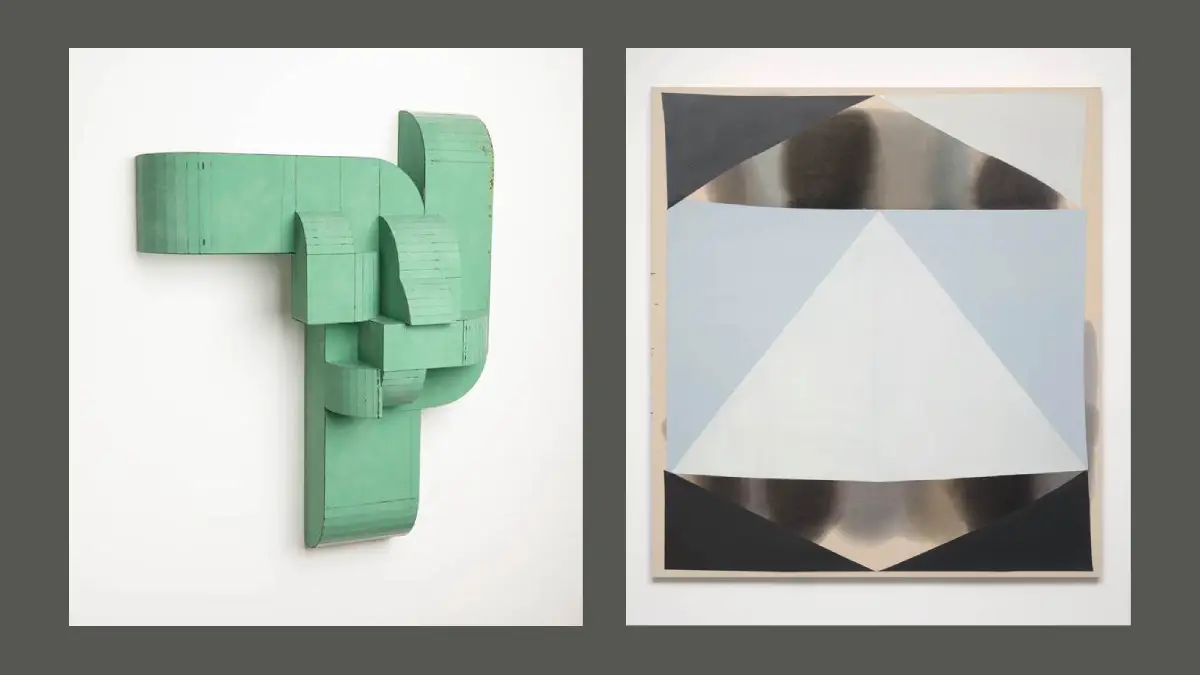
This grouping of artists creates a rare dialogue between physical weight and visual lightness. Specifically, the gallery showcases five concurrent solo exhibitions that bridge the gap between sculpture and painting. You will see how Ted Larsen and Pard Morrison handle three-dimensional form. Simultaneously, Marcelyn McNeil, Jason Karolak, and Lloyd Martin redefine the boundaries of the canvas. This exhibition extension highlights a shared approach toward geometric precision and sophisticated color.
Each artist brings a unique regional perspective to the Denver Contemporary Art landscape. For example, the roster includes talent from New Mexico, Texas, New York, Rhode Island, and Colorado. This geographic diversity enriches the conversation within the gallery walls. Moreover, the exhibition proves that abstraction remains a vital tool for understanding modern architectural sensibilities. Have you ever considered how a painting might feel like a building? These artists certainly have.
Materiality and Memory in Ted Larsen’s Sculpture
Ted Larsen presents a solo exhibition titled “Wet Wig,” focusing on repurposed materials. He uses salvage steel from sources like a 1978 Ford US Forest Service Truck. Consequently, his sculptures carry the history of the American landscape within their rusted and painted surfaces. He combines these industrial scraps with marine-grade plywood and vulcanized rubber. Therefore, the work feels both ancient and remarkably modern.
Larsen’s technique involves a sophisticated painterly eye applied to rigid, salvaged metals. Furthermore, the small-scale works demand close inspection of their seams and hardware. These pieces challenge the viewer to find beauty in the discarded. Indeed, the Robischon Gallery exhibition extension ensures you can spend time with these tactile explorations. Can a truck ever truly become a minimalist masterpiece? Larsen’s “1978 Ford US Forest Service Truck” sculpture answers with a resounding yes.
The Fluid Geometry of Marcelyn McNeil’s “Hole in the Sun”
Texas-based artist Marcelyn McNeil offers a different perspective on shape in her show “Hole in the Sun.” She creates paintings that feel like moving bodies or shifting architectural planes. Moreover, her use of color suggests a deep understanding of light and shadow. The compositions often feature large, organic shapes that seem to push against the edges of the frame. Consequently, the viewer feels a sense of tension and release within each canvas.

Her work provides a soft counterpoint to the rigid structures found elsewhere in the gallery. However, she still maintains a strict commitment to the principles of abstraction. She manages to make oil paint look like something between fabric and stone. Therefore, her contributions to Robischon Gallery’s exhibition extension are visually magnetic. You might find yourself lost in the subtle gradients and bold silhouettes of her latest series.
Pard Morrison and Jason Karolak: Breaking the Box
Pard Morrison brings “Interstice” to the gallery, showcasing his mastery of ink and oil on raw canvas. His work, such as the piece “Introvert,” uses geometric patterns to create an illusion of depth. Specifically, he plays with the human eye’s perception of three-dimensional space on a flat surface. Transitioning between colors, Morrison achieves a vibrance that feels almost digital. Nevertheless, the handmade quality of the work remains evident upon close inspection.
Similarly, Jason Karolak explores the cube in his exhibition “Peregrine.” His work “Meteorite” features Fluoronar on aluminum, creating a multi-colored geometric explosion. This 24-inch cube sits on the floor, inviting you to walk around its complex faces. Consequently, the sculpture acts as a physical manifestation of Karolak’s intricate painting style. The Robischon Gallery exhibition extension provides the perfect opportunity to see how these two artists manipulate the viewer’s spatial awareness.
Lloyd Martin’s Rhythmic “Reorder” in the Viewing Room
In the Viewing Room, Lloyd Martin presents “Reorder,” a collection of paintings that pulse with rhythmic energy. His works, like “Oracle” and “Folio (14),” utilize horizontal and vertical lines to create a sense of movement. Additionally, he layers oil on canvas to build a rich, textured history within each frame. These paintings feel like visual music or complex urban grids. Therefore, they offer a meditative space for the inquisitive viewer.
Martin’s work focuses on the architecture of the painting itself. He uses a sophisticated palette that ranges from deep charcoals to bright, electric yellows. Moreover, the scale of his work varies, allowing for both intimate and grand experiences. The Robischon Gallery exhibition extension allows these subtle details to shine throughout the holiday season. You should not miss the chance to see how he balances chaos and order.
Planning Your Visit to Wazee Street
The gallery maintains its location at 1740 Wazee Street in the heart of Denver, Colorado. However, you must note the specific holiday hours during this period. The gallery closes its doors from December 24 through January 1, 2026. Following this break, regular hours resume on January 2nd. This Robischon Gallery exhibition extension officially concludes on January 10, 2026.
If you seek high-resolution images or further details, contact Debra Malik Demosthenes or Jim Robischon. They provide expert insight into the five concurrent solo exhibitions. Furthermore, the gallery staff assists collectors in understanding the technical aspects of these abstract works. This exhibition remains one of the best art galleries in Denver, Wazee Street, for serious collectors. Indeed, it represents the pinnacle of contemporary sculpture in Denver and geometric abstraction.
Final Thoughts: A Narrative of Modern Form
Walking through these five exhibitions feels like reading a story about the future of art. Each artist uses the language of geometry to speak about human experience and material reality. Specifically, the contrast between Ted Larsen’s salvage steel sculpture and Marcelyn McNeil’s paintings in Denver creates a beautiful friction. I believe this extension is vital because these works require multiple viewings to fully grasp. They are not merely decorations; they are intellectual puzzles.
The Robischon Gallery exhibition extension proves that Denver remains a hub for world-class abstract art. These artists do not rely on gimmicks or trends to capture your attention. Instead, they use color, form, and material to provoke genuine thought. Therefore, I highly recommend visiting before the final closing date in January. You will leave the gallery feeling inspired and perhaps seeing the world in a more geometric light.
All images © Robischon Gallery. Don’t hesitate to browse WE AND THE COLOR’s Art section for more.
Subscribe to our newsletter!